

What's Happening?
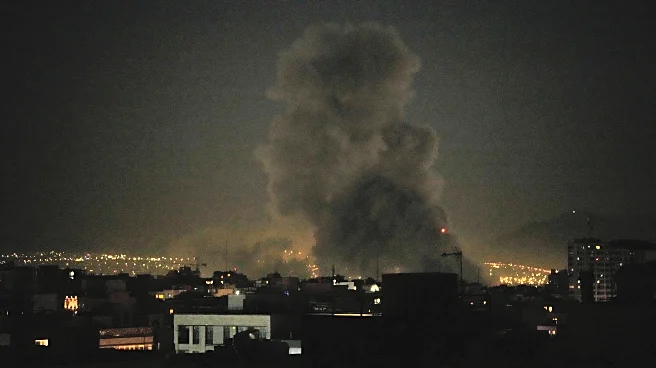
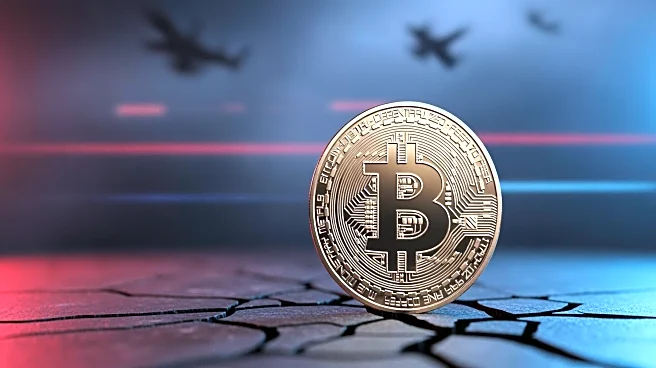
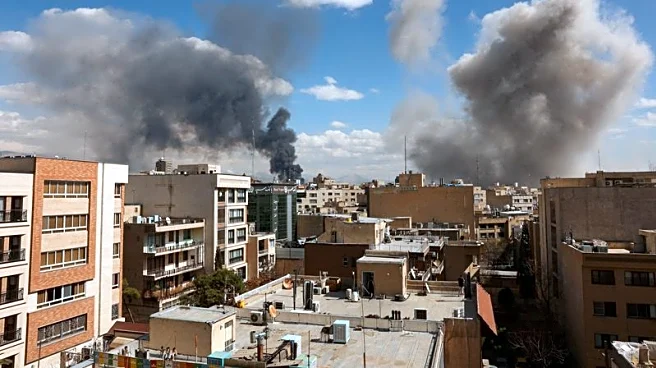
Bitcoin experienced a significant price drop as the United States and Israel initiated joint military operations in Iran, targeting the country's nuclear and ballistic missile programs. The cryptocurrency's value fell from $65,572 to $63,176 overnight
but has since rebounded to $65,051. This fluctuation occurred as the market reacted to the geopolitical tensions, with major altcoins like Ethereum, XRP, and Solana also experiencing similar declines and recoveries. The market saw approximately $490 million in crypto liquidations, primarily in Bitcoin and Ethereum positions. The geopolitical situation has historically influenced crypto prices, as seen during the Russia-Ukraine conflict in 2022.
Why It's Important?
The recovery of Bitcoin and other cryptocurrencies highlights the resilience of digital assets in the face of geopolitical instability. The initial plunge and subsequent rebound underscore the volatility of the crypto market, which can be significantly impacted by global events. This situation also reflects the broader economic implications of military actions, as investors react to potential disruptions in global stability. The liquidations indicate a high level of speculative trading, which can exacerbate market volatility. The ongoing military operations and their impact on the crypto market may influence investor confidence and trading strategies in the short term.
What's Next?
As the situation in Iran develops, further fluctuations in the cryptocurrency market are possible. Investors and traders will likely monitor geopolitical developments closely, adjusting their positions in response to new information. The potential for retaliatory actions by Iran and further military engagements could lead to additional market volatility. Stakeholders in the crypto industry may also advocate for strategies to mitigate the impact of geopolitical events on digital asset prices. Additionally, the broader financial markets may experience ripple effects, influencing investment decisions across various asset classes.
Beyond the Headlines
The military operations in Iran and their impact on the crypto market raise questions about the role of digital currencies in times of geopolitical crisis. As cryptocurrencies become more integrated into the global financial system, their susceptibility to external shocks may prompt discussions about regulatory measures and risk management strategies. The situation also highlights the ethical considerations of trading in volatile markets during times of conflict, as well as the potential for cryptocurrencies to serve as a hedge against traditional financial systems in unstable regions.