






What's Happening?
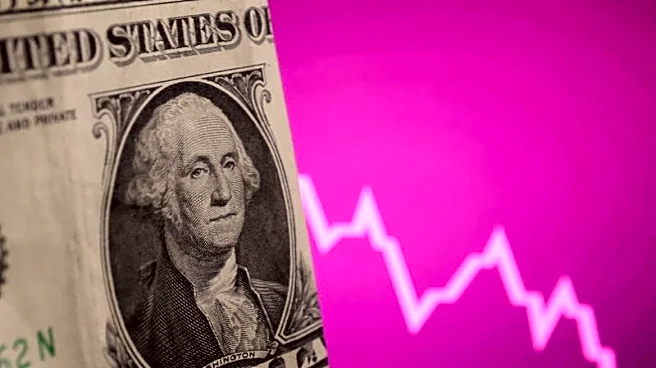
Treasury yields have been rising, reflecting investor concerns about inflation and the Federal Reserve's potential interest rate decisions. The yield on the 30-year Treasury reached 5.19%, its highest since July 2007, while the 10-year Treasury yield hit
4.69%. These increases are driven by inflation, which rose at its fastest pace in nearly three years due to surging oil and gas prices. As a result, financial markets see little chance of the Fed cutting interest rates in 2026, with a higher probability of a rate hike. Rising yields affect mortgage rates, corporate borrowing, and the appeal of stocks, as investors seek alternatives to equities.
Why It's Important?
The rise in Treasury yields has significant implications for the U.S. economy. Higher yields increase borrowing costs for homebuyers, as mortgage rates are influenced by the 10-year Treasury. This can impact the housing market by making home purchases more expensive. Additionally, higher yields provide investors with alternatives to stocks, potentially affecting stock market valuations. The bond market's movements serve as an early warning system for economic risks, including inflation and potential recessions. As investors adjust their strategies in response to these changes, the broader economic landscape could experience shifts in investment flows and consumer spending.
What's Next?
The bond market's response to inflation and Fed policy will continue to be closely monitored. If inflation persists, the Fed may be compelled to raise interest rates, further impacting Treasury yields and borrowing costs. Investors will need to navigate these changes by reassessing their portfolios and considering the implications for both bonds and equities. The potential for a rate hike in 2026 will be a key focus for financial markets, influencing decisions across various sectors. Stakeholders, including policymakers and investors, will be watching for signs of economic resilience or further inflationary pressures.