



What's Happening?
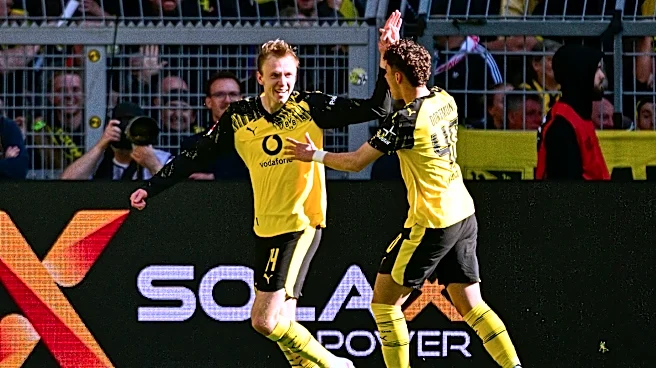
Niche sports leagues are increasingly becoming a focal point for fashion brands, leveraging the appeal of celebrity involvement and digital platforms. The Kings League in Spain, created by soccer player Gerard Piqué, and the Baller League in the UK and Germany,
are examples of how sports are merging with fashion. These leagues feature condensed, high-energy formats and emphasize personality, with celebrities and influencers participating alongside athletes. The E1 Series, an electric powerboat racing championship, exemplifies this trend by combining competitive sports with luxury brand partnerships and celebrity team owners like Tom Brady. In the U.S., Overtime Elite is reshaping the basketball landscape by offering new career pathways for athletes. These leagues are not only sports events but also cultural platforms, with content streamed on platforms like Twitch and TikTok, creating a continuous engagement ecosystem.
Why It's Important?
The integration of niche sports leagues into the fashion industry signifies a shift in how sports and fashion intersect, offering new opportunities for brand engagement and consumer interaction. This trend reflects a broader change in consumer preferences towards more dynamic and accessible sports formats. The involvement of celebrities and influencers enhances the appeal, drawing in younger audiences and expanding the reach of both sports and fashion brands. This evolution could redefine sponsorship models and marketing strategies, as brands seek to capitalize on the cultural influence of these leagues. The economic impact is significant, with the global sports economy projected to grow substantially, indicating a lucrative market for brands willing to innovate and adapt to these new formats.
What's Next?
As these niche sports leagues continue to gain popularity, more brands are likely to invest in similar ventures, seeking to tap into the growing audience and cultural influence. The success of these leagues could inspire the creation of new sports formats and partnerships, further blurring the lines between sports, entertainment, and fashion. Stakeholders, including brands, athletes, and media platforms, will need to navigate this evolving landscape, balancing traditional sports values with the demands of a digital-first audience. The ongoing development of these leagues will likely influence future trends in both the sports and fashion industries, potentially leading to more innovative collaborations and marketing strategies.
Beyond the Headlines
The rise of niche sports leagues highlights a cultural shift towards more inclusive and diverse representations in sports. By breaking away from traditional formats, these leagues offer a platform for underrepresented athletes and sports to gain visibility. This democratization of sports could lead to broader societal changes, challenging conventional notions of athleticism and competition. Additionally, the emphasis on digital engagement and content creation reflects a changing media landscape, where traditional broadcasting is supplemented by interactive and on-demand experiences. This transformation could have long-term implications for how sports are consumed and monetized, influencing future media and advertising strategies.