
What's Happening?
Dr. Tamiko Katsumoto, a clinical associate professor at Stanford University, emphasizes the importance of maintaining a healthy gut microbiome to combat chronic inflammation. In a discussion on the 'Am
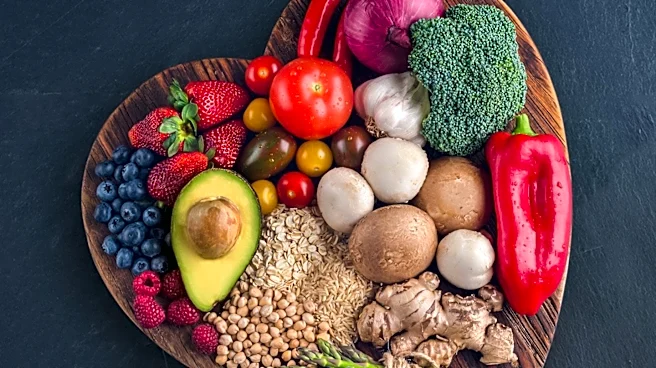
I Doing It Wrong?' podcast, she explains that inflammation is the body's response to danger signals, which can be beneficial in acute cases like infections or wounds. However, chronic inflammation, often subtle and unnoticed, can lead to various diseases such as Alzheimer's, heart disease, and autoimmune conditions like rheumatoid arthritis. Katsumoto points out that 70% of the immune system resides in the gut, and a diet rich in fiber from plants is crucial for a healthy microbiome. She notes that 95% of Americans are deficient in fiber, recommending the consumption of 30 different plant types weekly to maintain immune homeostasis.
Why It's Important?
Chronic inflammation is linked to numerous diseases prevalent in the Western world, making it a significant public health concern. Dr. Katsumoto's insights highlight the potential for dietary changes to mitigate these risks, emphasizing the role of lifestyle in managing inflammation. By focusing on gut health through a plant-rich diet, individuals can potentially reduce the incidence of inflammation-related diseases. This approach not only offers a preventive strategy but also underscores the broader impact of diet on health and longevity. The emphasis on fiber intake and gut microbiome health could lead to shifts in dietary guidelines and public health policies aimed at reducing chronic disease burdens.
What's Next?
As awareness of the link between diet and inflammation grows, there may be increased advocacy for dietary changes at both individual and policy levels. Healthcare providers might incorporate gut health assessments into routine check-ups, and nutrition education could become a more prominent part of public health initiatives. Further research into the specific types of fiber and plant-based foods that most effectively support gut health could refine dietary recommendations. Additionally, food industry trends might shift towards developing products that support gut health, potentially influencing consumer choices and market offerings.