







What's Happening?
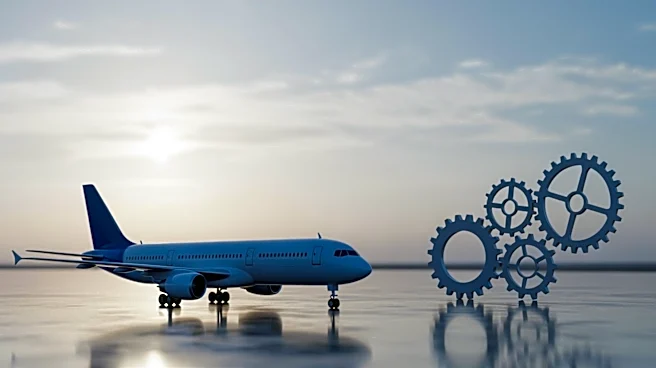
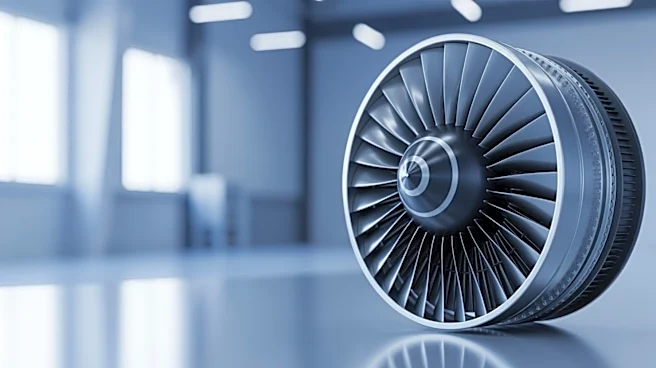
SIA Engineering Company (SIAEC) and Safran Aircraft Engines have announced the formation of a joint venture to provide maintenance, repair, and overhaul (MRO) services for CFM International's Leap engines. This new venture, based in Singapore, will focus
on the Leap-1A and Leap-1B engines, which are used in the Airbus A320neo and Boeing 737 Max aircraft families, respectively. Safran will hold a 51% stake in the joint venture, while SIAEC will own the remaining 49%. The collaboration builds on a letter of intent signed in November 2025, aiming to expand maintenance support for these engines. SIAEC, a unit of Singapore Airlines, already performs quick-turn maintenance for Leap engines at its Singapore facility. The new facility is expected to increase engine shop visit capacity and broaden the scope of services available for the growing global Leap engine fleet.
Why It's Important?
The establishment of this joint venture is significant as it addresses the increasing global demand for engine maintenance services, particularly for the Leap engines that power some of the most popular commercial aircraft. By expanding MRO capabilities, the joint venture will enhance the operational efficiency and reliability of airlines using these engines, potentially reducing downtime and maintenance costs. This move also strengthens the strategic partnership between SIAEC and Safran, positioning them to better serve the aviation industry's evolving needs. The venture could lead to increased employment opportunities and economic benefits in Singapore, further solidifying the region's status as a key hub for aerospace services.
What's Next?
As the joint venture develops, it will likely focus on establishing the new facility and ramping up its operational capabilities to meet the anticipated demand. The partners may also explore further collaborations or expansions to other regions, depending on the success of this venture. Airlines operating Leap engines might consider this new facility for their MRO needs, potentially leading to long-term service agreements. Additionally, the joint venture could drive innovation in engine maintenance practices, setting new industry standards.