





What's Happening?
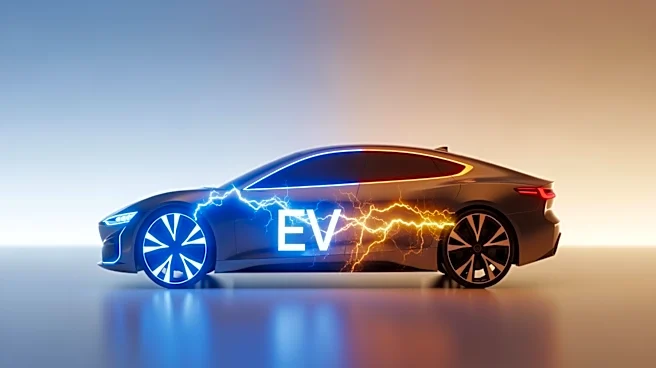
Mazda has announced a delay in the launch of its first dedicated battery-electric vehicle (EV) by two years, now expected in 2029. The company is pivoting its strategy towards hybrid vehicles, reducing its electrification budget and focusing on three
new hybrid models. This decision reflects Mazda's strategic shift in response to market conditions and the challenges of EV production. The company plans to rely on China-built EVs in the interim, as it reassesses its approach to electrification amid evolving consumer preferences and regulatory landscapes.
Why It's Important?
Mazda's decision to delay its EV launch and focus on hybrids underscores the complexities automakers face in transitioning to electric mobility. This move could impact Mazda's competitive position in the rapidly growing EV market, where rivals are aggressively expanding their electric offerings. By prioritizing hybrids, Mazda aims to balance immediate market demands with long-term sustainability goals. This strategy may appeal to consumers seeking fuel-efficient options without fully committing to electric vehicles, potentially influencing industry trends and consumer behavior.
What's Next?
Mazda will likely focus on enhancing its hybrid technology and expanding its hybrid lineup to maintain market relevance. The company may also explore partnerships or collaborations to bolster its electrification efforts. As regulatory pressures for emissions reductions intensify, Mazda's strategy will be closely monitored by industry analysts and competitors. The company's ability to adapt to changing market dynamics and consumer preferences will be critical to its future success.