



What's Happening?
Epic Group, a global apparel company based in Hong Kong, has inaugurated its first manufacturing unit in India, located at the Kalibeti Industrial Estate in Odisha's Khurda district. The facility, known as the Trimetro manufacturing campus, was developed
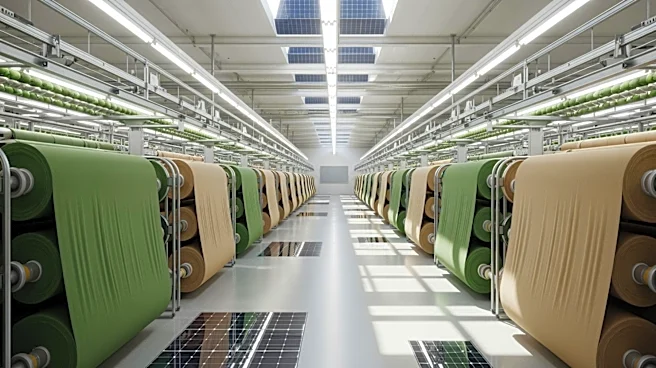
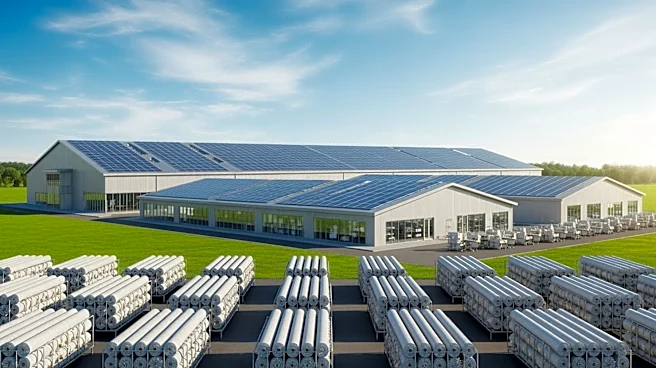
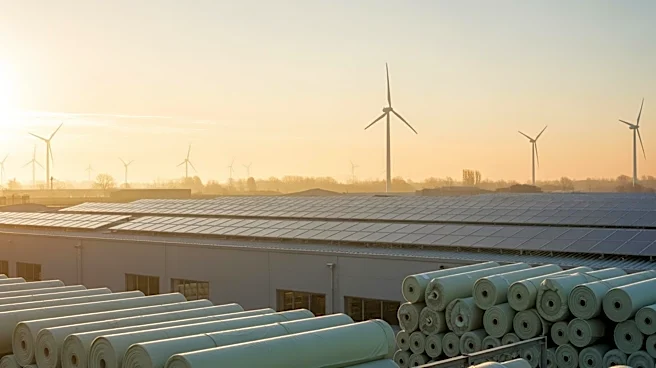
with a $100 million investment and is touted as India's first fully net-zero carbon and net-zero water garment production facility. The campus, which spans 40 acres, is expected to generate approximately 10,000 jobs, with a significant focus on employing women. The facility is designed to produce 20 million garments annually for international brands, positioning Odisha as a key player in the global textile and apparel supply chain. The project has received financial backing from the International Finance Corporation, part of the World Bank Group, which provided a $100 million debt financing package.
Why It's Important?
The opening of Epic Group's facility in Odisha marks a significant step in sustainable industrial development, showcasing how manufacturing can be both economically viable and environmentally responsible. By focusing on net-zero carbon and water usage, the facility sets a benchmark for future industrial projects. The emphasis on women-led employment is also crucial, as it contributes to economic empowerment and social inclusion. This development could attract further investment in the region, enhancing its status in the global apparel market. Additionally, the facility's integration of sustainable practices aligns with global efforts to reduce industrial carbon footprints, potentially influencing other companies to adopt similar models.
What's Next?
As the facility begins operations, it is expected to ramp up production and workforce training, particularly focusing on equipping local workers with skills for global competitiveness. The success of this project could lead to further expansions by Epic Group in India and other regions, potentially increasing its influence in the global apparel industry. The model of sustainable manufacturing demonstrated here may inspire similar projects, encouraging a shift towards more environmentally friendly industrial practices worldwide.