







What's Happening?
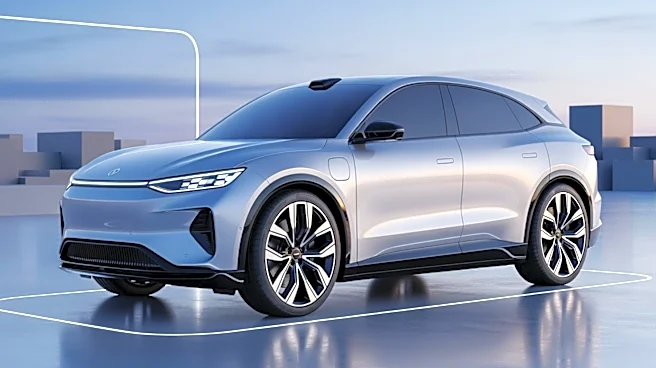
Volvo has unveiled its new all-electric EX60, marking a significant advancement in the company's vehicle production. The EX60 is the first model to utilize Volvo's all-EV SPA3 platform, which is designed to support a range of future vehicles. This model features
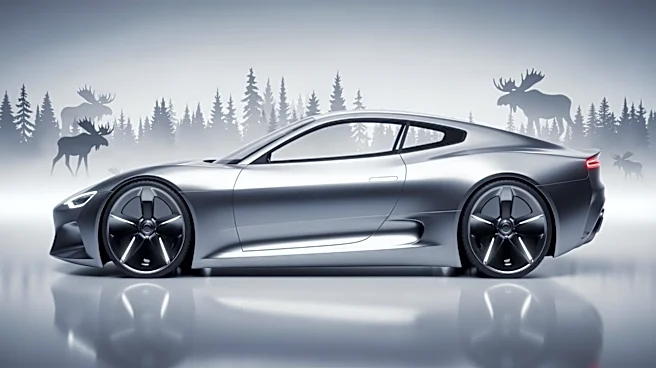
a range of up to 400 miles and faster charging capabilities than any previous Volvo vehicle. A key innovation in the EX60 is the use of megacasting, a process that involves converting molten aluminum into a single lightweight piece, enhancing the vehicle's structural integrity. Additionally, the EX60 incorporates a 'cell-to-body' battery design, integrating battery cells directly into the vehicle's structure. Notably, Volvo has also 'moose-proofed' the EX60, a safety feature designed to protect against collisions with moose, a common hazard in Sweden. This involves testing each model with a life-size rubber moose crash test dummy.
Why It's Important?
The introduction of the EX60 represents a significant step forward in electric vehicle technology and safety. By employing megacasting and a structural battery design, Volvo is setting new standards for vehicle efficiency and safety. The moose-proof feature highlights Volvo's commitment to addressing specific regional safety concerns, which could influence other manufacturers to adopt similar safety measures. This development is crucial as it aligns with the global shift towards electric vehicles, driven by environmental concerns and regulatory pressures. The EX60's innovations could enhance Volvo's competitive position in the EV market, potentially influencing industry standards and consumer expectations.
What's Next?
Volvo plans to expand its all-electric lineup using the SPA3 platform, with future models expected to incorporate similar technological advancements. The company is also preparing to release the P12 variant of the EX60, which promises even greater power and range. As Volvo continues to innovate, other automakers may respond by accelerating their own EV development efforts. Additionally, the focus on safety features like moose-proofing could lead to broader industry adoption of region-specific safety measures, potentially influencing regulatory standards.