







What's Happening?
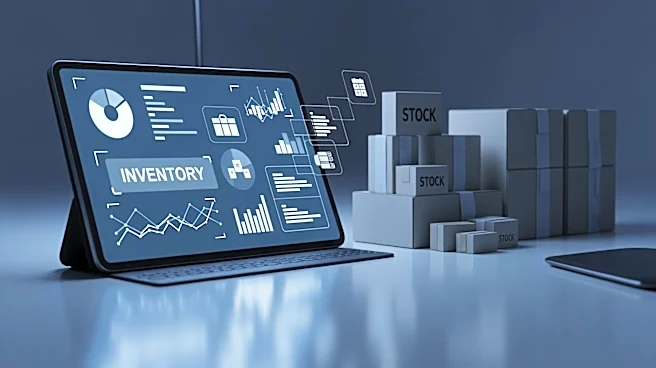
Solo entrepreneurs are increasingly turning to AI tools to manage inventory and reduce operational burdens. These tools integrate with platforms like Airtable and Shopify to provide real-time data on stock levels, sales channels, and inventory needs.
Entrepreneurs like Jen Podany and Steffy Lee Simms have implemented AI systems to streamline their operations, resulting in improved sales and reduced stockouts. The AI tools offer dashboards that track inventory across multiple channels, forecast future needs, and suggest marketing strategies based on current stock levels.
Why It's Important?
The use of AI in inventory management represents a significant advancement for small business owners, particularly solo entrepreneurs who often face resource constraints. By leveraging AI, these entrepreneurs can make more informed decisions, optimize their supply chains, and reduce the mental load associated with managing inventory. This technological adoption can lead to increased efficiency, cost savings, and improved customer satisfaction. As AI tools become more accessible, they offer a competitive edge to small businesses looking to scale and adapt to changing market demands.
What's Next?
As AI technology continues to evolve, solo entrepreneurs may explore additional applications to further enhance their business operations. This could include integrating AI with other business functions such as marketing, customer service, and financial management. The ongoing development of AI tools will likely lead to more sophisticated solutions that offer even greater insights and automation capabilities. For entrepreneurs, staying informed about these advancements and adapting their strategies accordingly will be key to maintaining a competitive advantage in the marketplace.