




What's Happening?
Arizona, Colorado, New Mexico, and Utah have established the Mountain West Geothermal Consortium to capitalize on their significant geothermal energy potential. This initiative follows the Trump administration's energy policy, which supports geothermal alongside
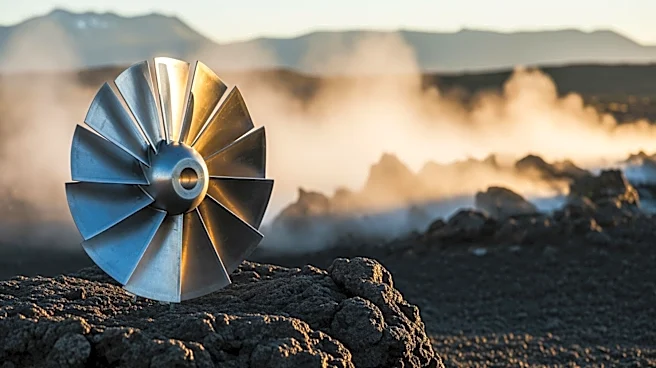
other renewable resources. The consortium aims to leverage new drilling technologies and artificial intelligence to unlock hundreds of gigawatts of geothermal energy. The consortium includes state officials and energy experts focused on planning and coordination to develop geothermal power. The U.S. Geological Survey has identified substantial geothermal resources in these states, with New Mexico alone having a potential of 163 gigawatts.
Why It's Important?
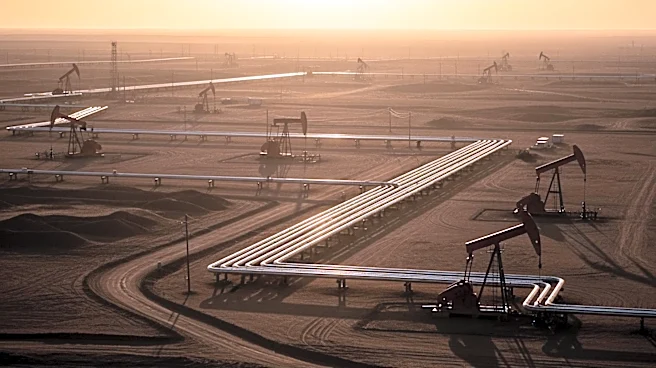
The formation of the Mountain West Geothermal Consortium represents a significant shift towards renewable energy in the U.S., particularly in the Western states. By tapping into geothermal resources, these states can reduce reliance on fossil fuels, contributing to cleaner energy production and potentially lowering carbon emissions. This move could also stimulate economic growth by attracting investments and creating jobs in the renewable energy sector. The involvement of oilfield services companies highlights a transition within the energy industry, as these firms seek new opportunities in geothermal development. The consortium's efforts could serve as a model for other regions with geothermal potential.
What's Next?
The consortium plans to continue its research and development efforts, focusing on overcoming regulatory and financial barriers to geothermal energy expansion. It will seek input from a wide network of developers and investors to facilitate the growth of the geothermal industry. The consortium's success could lead to increased adoption of geothermal energy across the U.S., influencing national energy policies and encouraging further investment in renewable technologies. Additionally, the consortium's work may attract interest from federal agencies, such as the Department of Defense, which is exploring secure, on-site energy resources.