






What's Happening?
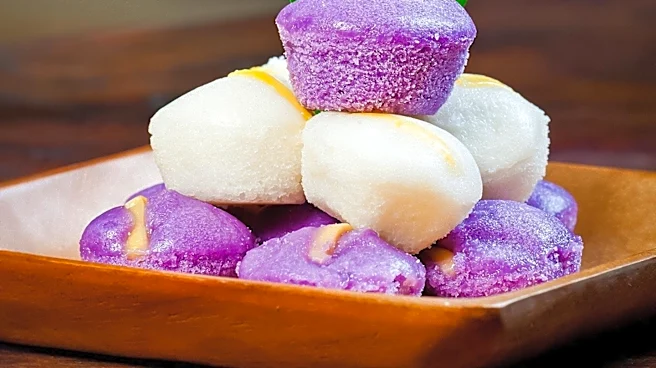
Ube, a purple yam native to the Philippines, has become a viral sensation in the U.S., with its presence on restaurant menus increasing by 230% over the past four years. This trend has been fueled by major coffee chains like Starbucks and Peet's, which
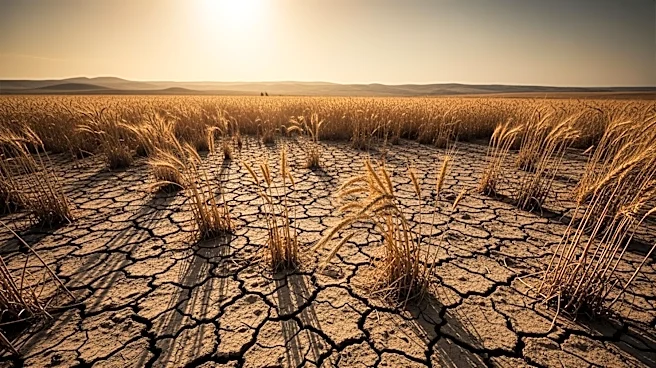
have introduced ube-flavored drinks. The vibrant color and sweet taste of ube have made it a popular choice for desserts and beverages, appealing to younger consumers and social media users. However, the rising demand is putting pressure on Filipino farmers, who are struggling to keep up due to climate change and limited planting materials. The Philippines, the largest exporter of ube, has seen a decline in production, which could impact the availability of this trendy ingredient.
Why It's Important?
The surge in ube's popularity highlights a growing trend in the U.S. food industry towards exotic and visually appealing flavors. This shift is driven by consumer demand for unique culinary experiences and the influence of social media, where visually striking foods often go viral. For businesses, this trend represents an opportunity to innovate and attract customers seeking new flavors. However, the supply challenges faced by Filipino farmers could lead to shortages and increased prices, affecting both consumers and businesses that rely on ube. The situation underscores the broader impact of climate change on global food supply chains and the need for sustainable agricultural practices.
What's Next?
As demand for ube continues to grow, businesses may need to explore alternative sources or invest in sustainable farming practices to ensure a steady supply. The U.S. market could see further innovation in ube-based products, expanding beyond beverages and desserts. Additionally, the challenges faced by Filipino farmers may prompt international collaborations to support sustainable ube production. Stakeholders in the food industry will likely monitor these developments closely, as the availability of ube could influence menu offerings and pricing strategies.
Beyond the Headlines
The ube trend reflects a broader cultural shift towards embracing diverse culinary traditions and flavors. It also highlights the role of social media in shaping consumer preferences and driving food trends. The challenges faced by ube farmers in the Philippines serve as a reminder of the interconnectedness of global food systems and the potential vulnerabilities posed by climate change. As consumers become more aware of these issues, there may be increased demand for transparency and sustainability in food sourcing.