





What's Happening?
Teledyne Energy Systems, Inc. has implemented its Titan™ EL Series hydrogen generator at JTEKT Corporation’s carbon neutral plant in Aichi Prefecture, Japan. This initiative marks a significant advancement in industrial decarbonization. Historically,
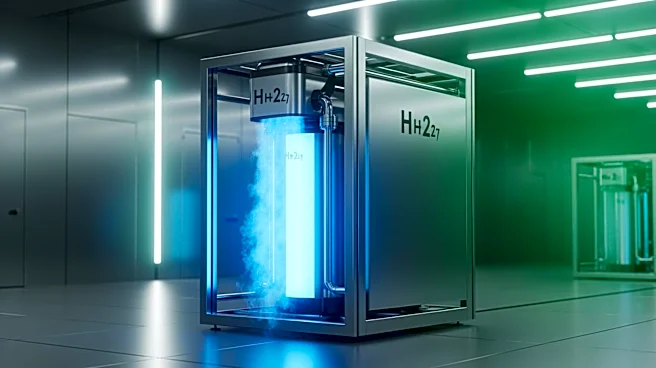
JTEKT relied on liquefied natural gas for its aluminum melting processes. The new system utilizes green hydrogen technology to significantly reduce carbon dioxide emissions. The core of this transition is Teledyne's alkaline water electrolysis solution, which produces high purity hydrogen on-site. This hydrogen powers burner-based aluminum melting and holding furnaces used in die-casting operations. The Titan™ EL Series generator produces approximately 112,000 Nm³ of hydrogen annually, allowing JTEKT to replace fossil fuel-based combustion with a low-emission alternative. This system supports a fully integrated hydrogen cycle within the facility, enhancing both efficiency and operational control.
Why It's Important?
The deployment of Teledyne's hydrogen generator at JTEKT's plant is a critical step towards reducing industrial carbon emissions. By replacing fossil fuels with clean hydrogen, the project is expected to cut CO2 emissions by an estimated 56 metric tons per year. This initiative demonstrates the potential of on-site green hydrogen production in industrial settings, offering a scalable solution for manufacturers aiming for carbon neutrality. The success of this project could encourage other industries to adopt similar technologies, thereby contributing to broader efforts to combat climate change. The integration of renewable grid electricity and on-site solar power further enhances the sustainability of the operation, setting a precedent for future industrial decarbonization projects.
What's Next?
The successful implementation of this hydrogen generation technology at JTEKT's plant may lead to increased interest and investment in similar projects across various industries. As more companies seek to reduce their carbon footprints, the demand for on-site green hydrogen production is likely to grow. This could drive further advancements in hydrogen technology and infrastructure, potentially leading to more widespread adoption. Additionally, the project's success may influence policy decisions and encourage governments to support the development of green hydrogen solutions as part of their climate action plans.