



What's Happening?
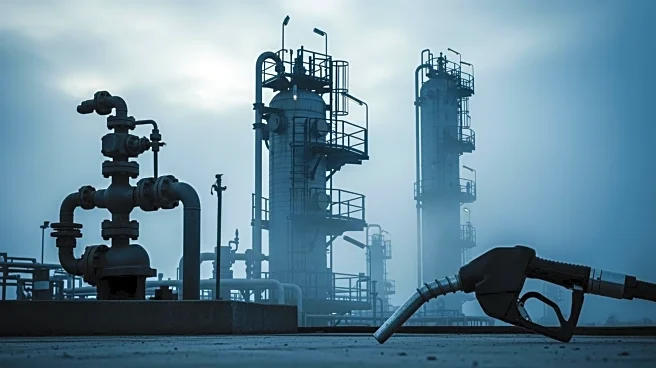
Valero Energy has announced plans to close its Benicia refinery next month, a facility responsible for producing approximately 10% of California's gasoline. This decision is attributed to a challenging regulatory environment in the state. The closure
follows a similar move by Phillips 66, which shut down its Los Angeles refinery last year, citing sustainability concerns in the California market. The state's efforts to maintain a reliable supply of transportation fuels are being tested by these closures, raising concerns about potential price spikes during disruptions or periods of high demand. In response, California Governor Gavin Newsom has directed Siva Gunda, vice chair of the California Energy Commission, to enhance collaboration with refiners for both short- and long-term planning to ensure fuel supply reliability.
Why It's Important?
The closure of the Benicia refinery highlights the tension between California's regulatory policies and the operational realities of the oil refining industry. As the state pushes towards reducing fossil fuel dependency, the loss of refining capacity poses a risk of increased fuel prices, especially during global oil market disruptions. This situation underscores the delicate balance California must maintain between environmental goals and economic stability. The decision to delay the implementation of profit-cap rules for refineries by five years reflects a compromise aimed at retaining investor confidence and ensuring in-state refining capacity. However, this delay has sparked debate about the state's ability to protect consumers from price gouging during volatile market conditions.
What's Next?
California faces the challenge of offsetting the loss of refinery production with gasoline imports, contingent on permitting processes that could allow facilities like Benicia to convert to fuel import terminals. Governor Newsom's administration is working with Valero to continue gasoline imports into Northern California post-closure. Additionally, proposals such as the Western Gateway Pipeline, which could transport refined gasoline from Midwest refineries, are being considered to diversify supply sources. The state must also address infrastructure needs to support these transitions while balancing climate policy impacts on production costs and refinery operations.