


What's Happening?
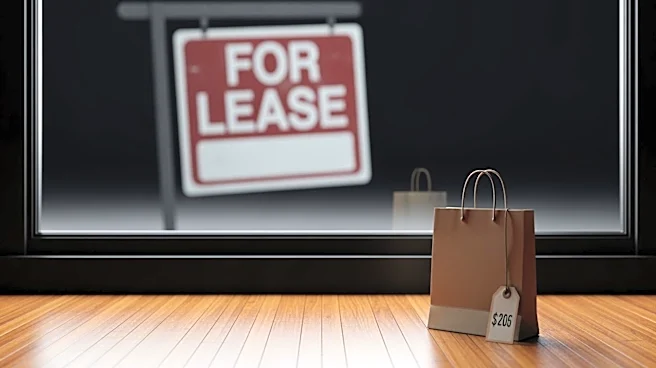
Several prominent retail brands, including Saks, Eddie Bauer, and QVC, have filed for bankruptcy in early 2026. According to S&P Global Market Intelligence, the first quarter of 2026 saw the second-highest number of bankruptcy filings since 2010, with
about two dozen consumer discretionary and staples companies affected. Factors such as consumer spending uncertainty, inflation, and US tariff policies are contributing to the rise in bankruptcies. While some companies are using bankruptcy protections to restructure and focus on growth, others, like Francesca's, are liquidating assets.
Why It's Important?
The increase in retail bankruptcies highlights the ongoing challenges faced by the industry, including economic pressures and shifting consumer behaviors. These developments could lead to significant changes in the retail landscape, with potential impacts on employment, supply chains, and market competition. Companies that successfully navigate bankruptcy may emerge stronger, while others may exit the market entirely. This trend underscores the need for retailers to adapt to changing economic conditions and consumer preferences to remain viable.
What's Next?
As these bankruptcy cases unfold, stakeholders will be closely monitoring the outcomes. Companies like QVC, which have secured financing, may pursue new growth strategies post-bankruptcy. The retail industry may see further consolidation as struggling brands seek mergers or acquisitions. Additionally, policymakers and industry leaders may need to address broader economic issues, such as inflation and tariffs, to stabilize the market and support recovery efforts.