


What's Happening?
The increasing popularity of self-injectable wellness tools, particularly GLP-1 drugs, is reshaping health practices. These tools, initially used for managing Type 2 diabetes, have gained traction due to their ease of use and effective results. Dr. Bhanu
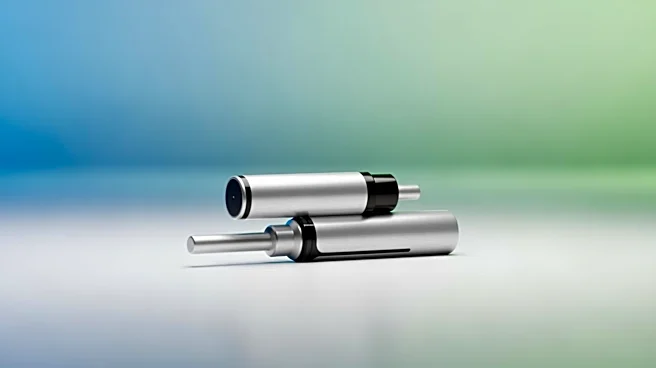
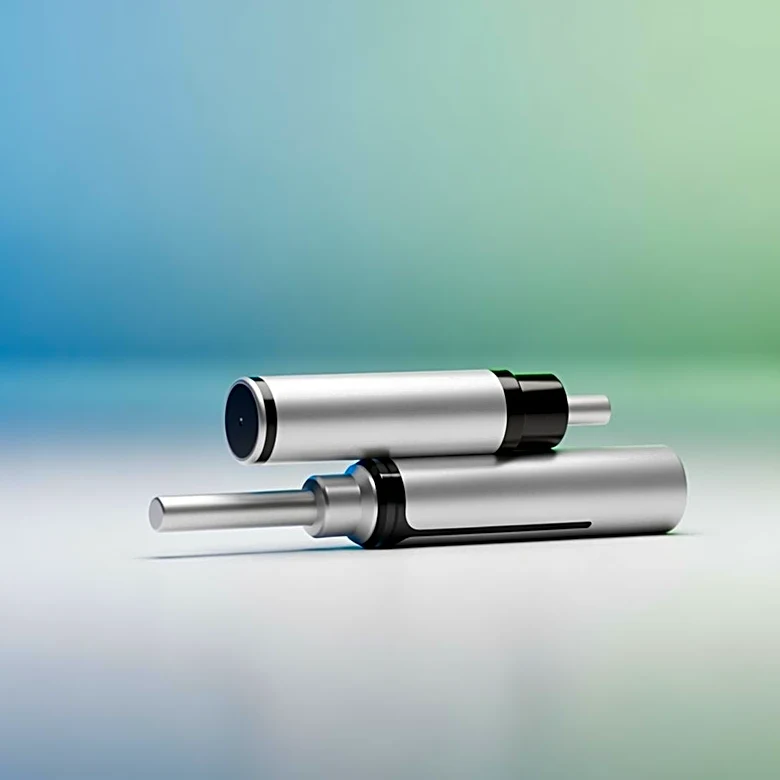
Malhotra, a specialist endocrinologist, notes that the once-weekly dosing and home administration have made these tools appealing, reducing needle phobia. The trend is part of a broader movement towards personalized wellness, with products like NAD+ and MOTS-C pens supporting various health goals. However, experts caution against self-diagnosis and emphasize the need for medical supervision when using these tools.
Why It's Important?
The rise of self-injectable wellness tools reflects a significant shift in healthcare towards more personalized and convenient solutions. This trend could impact the healthcare industry by reducing the need for frequent clinic visits, thus potentially lowering healthcare costs. However, it also raises concerns about self-diagnosis and the potential misuse of these tools without proper medical guidance. The trend underscores the importance of integrating medical supervision with personalized wellness practices to ensure safety and efficacy. As more people adopt these tools, the healthcare industry may need to adapt by providing more resources for patient education and support.
What's Next?
As the popularity of self-injectable wellness tools grows, healthcare providers may need to develop new protocols to ensure safe usage. This could involve creating guidelines for patients on how to incorporate these tools into their wellness routines safely. Additionally, there may be an increased demand for healthcare professionals to offer consultations and support for patients using these tools. The industry might also see a rise in the development of new self-injectable products targeting various health and wellness needs, further expanding the market and potentially leading to more personalized healthcare solutions.
Beyond the Headlines
The trend towards self-injectable wellness tools highlights a cultural shift towards self-managed health care. This shift could lead to a reevaluation of traditional healthcare models, emphasizing the role of technology and personalized medicine. It also raises ethical questions about the accessibility and affordability of these tools, as well as the potential for misuse without proper oversight. As these tools become more mainstream, there may be a need for regulatory frameworks to ensure they are used safely and effectively, balancing innovation with patient safety.