
What's Happening?
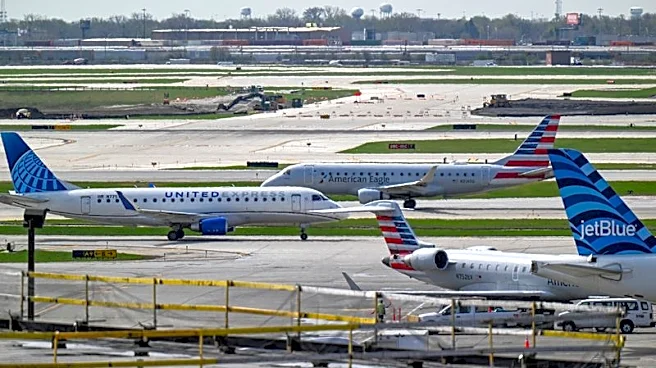
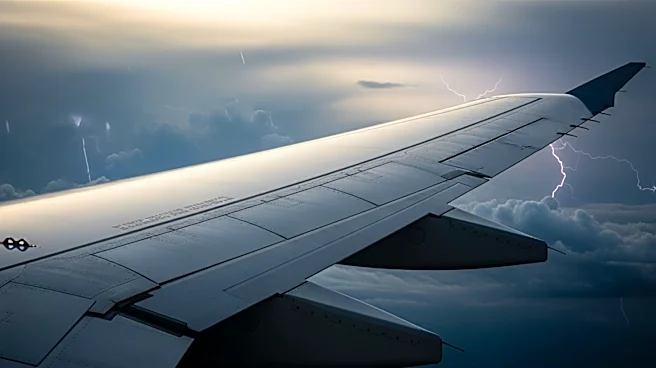
American Airlines has reported a net loss of $382 million for the first quarter of 2026, primarily due to increased fuel costs and severe winter weather that led to numerous flight cancellations. Despite
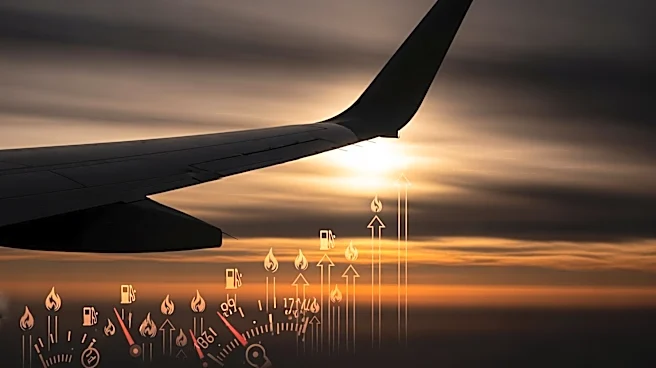
a 10.8% increase in revenue to $13.91 billion, the airline has revised its earnings forecast for 2026, anticipating a per-share loss of 40 cents to potential earnings of $1.10, down from the previous forecast of $1.70 to $2.70 per share. The company is facing a $4 billion increase in jet fuel expenses, prompting it to cut its second-quarter earnings outlook. American Airlines, along with other major U.S. carriers, is passing these costs onto consumers through higher airfares.
Why It's Important?
The financial struggles of American Airlines highlight the broader challenges facing the airline industry, particularly the impact of volatile fuel prices and extreme weather conditions. As airlines adjust their strategies, including reducing flight capacity and increasing ticket prices, consumers may face higher travel costs. This situation underscores the vulnerability of airlines to external economic shocks and the potential for reduced travel demand if prices continue to rise. The industry's response to these challenges will be crucial in maintaining profitability and operational stability.
What's Next?
American Airlines and other major carriers may continue to adjust their flight schedules and pricing strategies in response to ongoing fuel price volatility. If fuel prices remain high, further capacity reductions and fare increases could occur, potentially affecting travel demand. The airline industry will need to closely monitor fuel market trends and consumer behavior to navigate these challenges effectively. Additionally, airlines may explore alternative strategies, such as fuel hedging, to mitigate future risks.