

What's Happening?
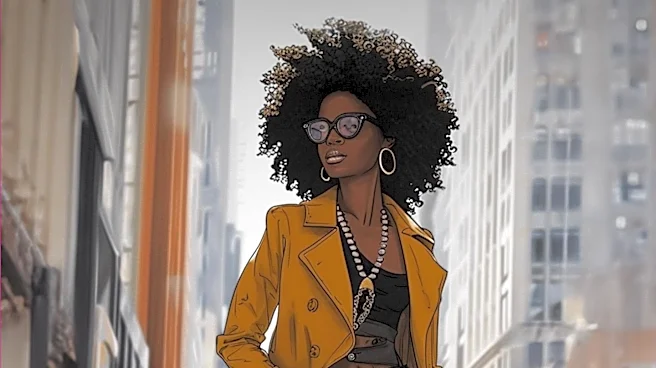
Lauren Blake Boultier, a white influencer with over 1.6 million followers, has admitted to editing her face onto the body of Tatiana Elizabeth, a black model, using AI technology. The controversy began when Boultier posted a photo suggesting she attended
the Miami Open, which was actually an altered image of Elizabeth at the US Open in 2024. Boultier attributed the incident to a third-party AI content agency and has since apologized, stating she will ensure better oversight of her content. Elizabeth, however, has expressed skepticism about the sincerity of Boultier's apology, highlighting the broader issue of black women being copied without credit.
Why It's Important?
This incident underscores the ethical concerns surrounding the use of AI in social media, particularly in the creation of 'virtual influencer' content. It raises questions about authenticity, consent, and the exploitation of black creators' work. The backlash against Boultier reflects a growing awareness and intolerance of cultural appropriation and the erasure of black women's contributions. This case could influence how influencers and content creators approach the use of AI, potentially leading to stricter guidelines and accountability measures to protect original creators.