



What's Happening?
Verdiva Bio, a clinical-stage biopharmaceutical company, has announced the completion of participant enrollment for its Phase 2b EVOLVE-2 clinical study of VRB-101, a once-weekly oral GLP-1 peptide analog. This study aims to evaluate the safety, tolerability,
and efficacy of VRB-101 for body weight reduction in individuals with obesity or overweight conditions. The trial, which is randomized, double-blind, and placebo-controlled, has enrolled over 200 participants across 22 sites in the United States. Participants will receive weekly oral doses over a 20-week period, with the primary endpoint being the mean percentage change in body weight from baseline. The company expects to report topline results by the end of 2026.
Why It's Important?
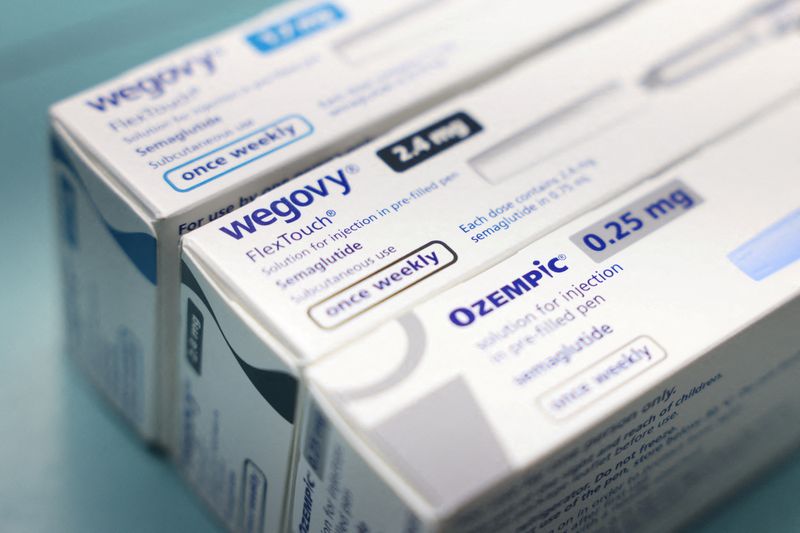
The development of VRB-101 is significant as it represents a potential advancement in the treatment of obesity, a condition affecting millions of Americans and associated with numerous health complications. Current treatments often involve injectable medications, which can be less convenient for patients. An effective oral treatment could improve patient compliance and accessibility. If successful, VRB-101 could become a first-in-class oral GLP-1 analog, offering a new therapeutic option for those struggling with obesity and related health issues. This development could also position Verdiva Bio as a leader in the obesity treatment market, potentially impacting the broader pharmaceutical industry.
What's Next?
Assuming positive results from the EVOLVE-2 study, Verdiva Bio plans to initiate Phase 3 clinical trials for VRB-101 in 2027. These trials will further assess the drug's efficacy and safety on a larger scale, potentially leading to regulatory approval and market entry. The company is also exploring the combination of VRB-101 with other compounds, such as its oral amylin analog, VRB-103, which could enhance treatment outcomes. Stakeholders, including healthcare providers and patients, will be closely monitoring the study's results, as they could influence future treatment protocols for obesity.