
What's Happening?
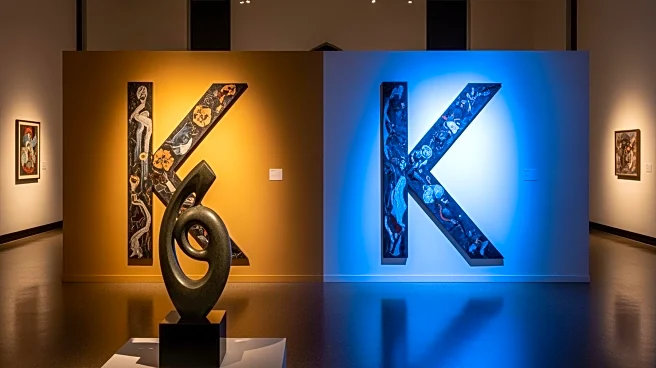
The art market is poised for a K-shaped recovery in 2026, following a challenging period marked by contraction over the past three years. Recent reports indicate a positive outlook, with significant sales
in Miami and New York, totaling $2.2 billion in marquee auctions. The market is expected to see divergent paths, with some sectors rebounding while others continue to struggle. This recovery is influenced by factors such as potential lower interest rates and easing geopolitical tensions. Additionally, the Gulf region is emerging as a significant player in the art world, with major events like Art Basel in Qatar and Frieze in Abu Dhabi scheduled for 2026. These developments are part of a broader investment in cultural infrastructure in the region, supported by a boom in private equity.
Why It's Important?
The anticipated K-shaped recovery in the art market highlights the uneven nature of economic rebounds, where certain sectors and players benefit more than others. This trend is significant for galleries and art dealers, as it may lead to further consolidation and strategic shifts within the industry. The expansion of art fairs in the Gulf region underscores the area's growing influence as a cultural and financial hub, potentially attracting new investments and audiences. This shift could redefine global art market dynamics, offering new opportunities for artists and collectors. The focus on digital art and fossils also indicates a shift in buyer demographics, with younger, tech-savvy professionals driving demand.
What's Next?
As the art market navigates its recovery, stakeholders will likely focus on adapting to the evolving landscape. Galleries may continue to downsize or merge to remain competitive, while art fairs in the Gulf will need to differentiate themselves to succeed. The influx of new buyers, particularly from the tech and science sectors, could lead to changes in how art is marketed and sold. The success of digital art and fossil sales may encourage further innovation and diversification within the market. Additionally, the Gulf's cultural investments could inspire other regions to enhance their own art infrastructures.