



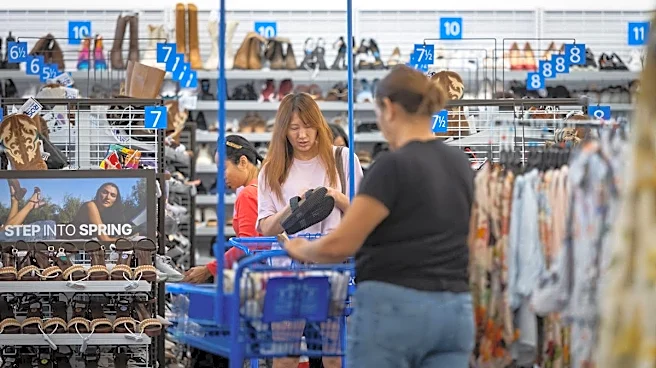
What's Happening?
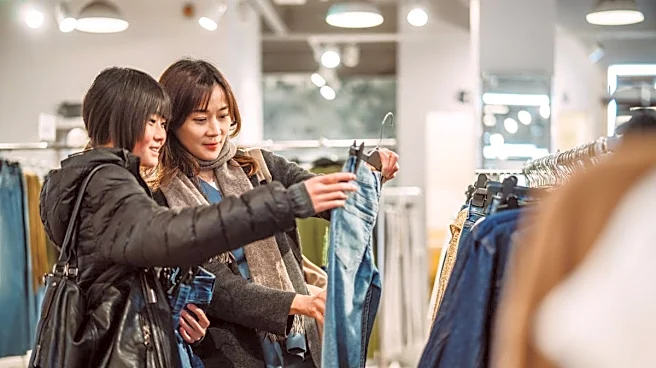
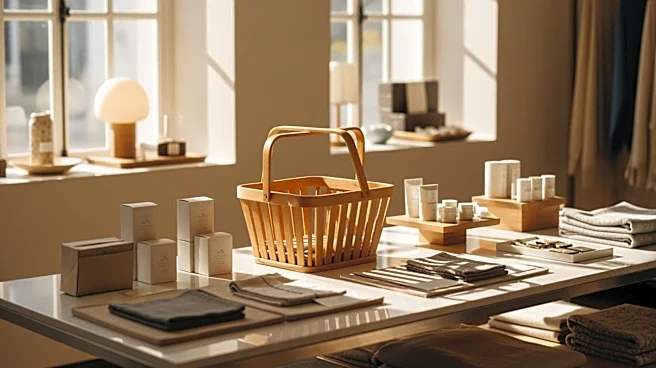
Retailers are increasingly adopting 'slow shopping' strategies to enhance the in-store experience and encourage customers to spend more time browsing. This approach focuses on creating immersive and engaging environments that offer more than just products,
such as interactive displays, events, and services. By shifting the emphasis from speed and convenience to discovery and experience, retailers aim to differentiate themselves from e-commerce competitors. This trend is evident in the design of store layouts, the use of digital signage, and the incorporation of experiential elements like cafes and interactive product trials.
Why It's Important?
The 'slow shopping' movement represents a strategic shift for brick-and-mortar retailers seeking to compete with the convenience of online shopping. By enhancing the in-store experience, retailers can increase customer engagement, drive higher sales, and build brand loyalty. This approach also allows retailers to capitalize on their unique strengths, such as tactile product interactions and personalized customer service, which cannot be replicated online. As consumer expectations evolve, retailers that successfully implement 'slow shopping' strategies may gain a competitive edge in the retail landscape.