








What's Happening?
The Sustainable Agriculture Initiative (SAI) has highlighted the importance of local context in implementing global frameworks for regenerative agriculture. The SAI's Regenerating Together Programme aims to standardize regenerative agriculture practices
across different geographies and production systems. The program has completed over 35 pilot initiatives, working with major corporations like Nestlé and Wildfarmed. The framework includes a four-step process: context analysis, outcome selection, practice adoption, and monitoring. This approach allows for a global standard while accommodating local environmental and agricultural conditions.
Why It's Important?
Regenerative agriculture is gaining traction as a sustainable farming practice, but its global adoption is hindered by the lack of a unified definition and adaptable standards. SAI's framework addresses these challenges by providing a structured approach that considers local variables such as soil, climate, and market access. This initiative is crucial for the agri-food industry as it seeks to transition to more sustainable practices. By aligning global standards with local needs, the framework can facilitate widespread adoption and ensure that regenerative agriculture contributes to environmental sustainability and food security.
What's Next?
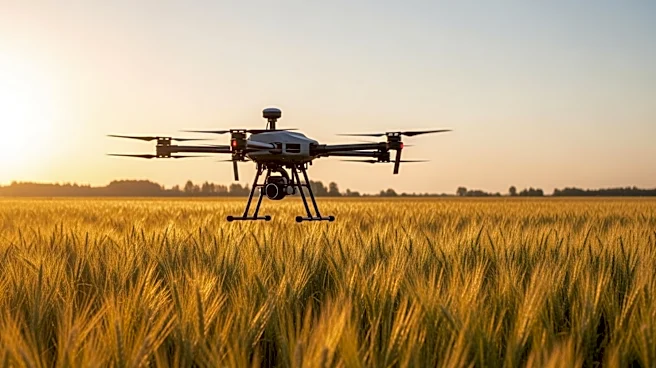
As the Regenerating Together Programme moves into its next phase, SAI plans to scale the framework and integrate digital tools for better data collection and monitoring. This will involve using technologies like remote sensing and verification systems to gather credible data and proof points. The focus will be on expanding the framework's reach and ensuring that it remains adaptable to various agricultural contexts. The success of this initiative could set a precedent for other industries seeking to implement global standards with local relevance, ultimately contributing to more sustainable and resilient food systems.