





What's Happening?
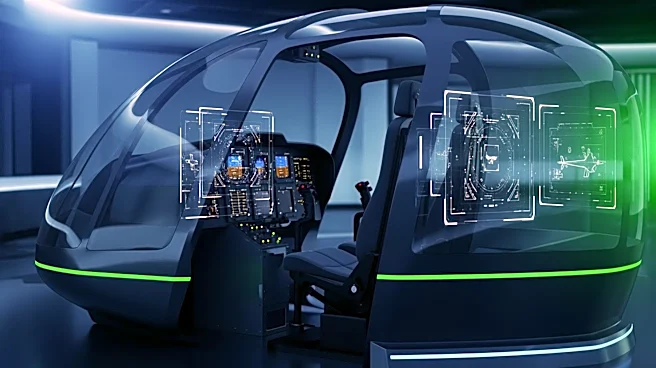
The Japan Civil Aviation Bureau (JCAB) has approved Loft Dynamics' virtual-reality helicopter simulator as a Level 7 flight training device, marking it as the highest qualification level for helicopter flight training devices. This approval makes JCAB the third
regulator, alongside the European Union Aviation Safety Agency and the FAA, to endorse the system. The simulator, an Airbus H125 TXi, is operated by Nakanihon Air, a major helicopter operator in Japan, and is located at Nagoya Airport. It is the first Level 7 VR helicopter flight training device in Japan and the Asia-Pacific region. The simulator is designed to support both initial and recurrent helicopter training, offering credits for various training tasks such as cockpit familiarization, procedural training, and emergency procedures. This development allows for more training repetitions and scenario exposure in a virtual environment, enhancing pilots' procedural proficiency and emergency response skills before actual flight training.
Why It's Important?
The approval of Loft's virtual-reality helicopter simulator by JCAB is significant for the aviation industry, particularly in Japan, which is one of the largest helicopter markets in Asia. This development provides a structured pathway for immersive VR helicopter training, potentially reducing the need for aircraft-based training and associated costs. It also enhances safety by allowing pilots to practice emergency procedures and scenario-based decision-making in a controlled environment. The simulator's approval could lead to broader adoption of VR technology in aviation training, offering a cost-effective and efficient alternative to traditional training methods. This could benefit helicopter operators by improving training accessibility and quality, ultimately leading to better-prepared pilots and safer flight operations.
What's Next?
With the JCAB's approval, Loft Dynamics and Nakanihon Air may explore further integration of VR training into their programs, potentially expanding the use of such simulators across other regions and operators. The success of this initiative could encourage other aviation authorities to consider similar approvals, fostering a global shift towards VR-based training solutions. Additionally, the collection of operational training data through this framework could lead to further enhancements in VR training technology, making it an integral part of pilot training curricula worldwide.