






What's Happening?
The Trucking Conditions Index (TCI), released by freight transportation consultancy FTR, has reached its highest level in four years, indicating a favorable environment for carriers. The TCI, which measures five major conditions in the U.S. truck market
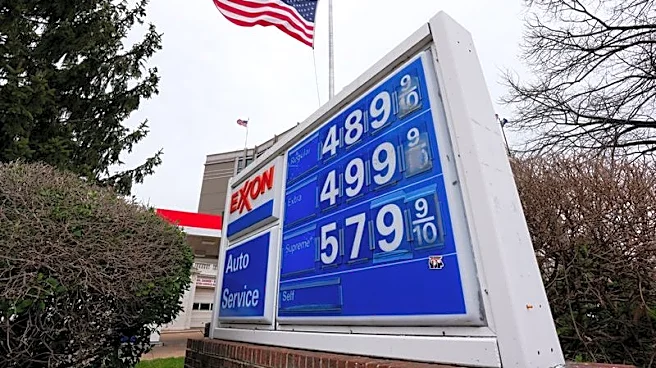
including freight volumes, rates, fleet capacity, fuel prices, and financing costs, recorded a score of 10.2 for February. This marks an increase from January's 9.3 and significantly higher than previous months. The index suggests that the trucking industry is experiencing strong freight rates and capacity utilization. However, the recent surge in diesel prices, attributed to geopolitical developments such as a ceasefire in the Middle East, poses a short-term challenge. Despite this, FTR's preliminary assessment remains optimistic, projecting a marginally positive outlook.
Why It's Important?
The high TCI reading reflects a robust trucking industry, which is crucial for the U.S. economy as it supports supply chains and consumer goods distribution. The favorable conditions suggest that carriers are likely to benefit from increased freight rates and efficient capacity utilization. However, the volatility in fuel prices introduces uncertainty, potentially affecting operational costs and profit margins. This situation underscores the importance of strategic planning for carriers to navigate fluctuating market conditions. The trucking industry's health is a key indicator of economic activity, influencing sectors such as retail, manufacturing, and agriculture.
What's Next?
The trucking industry will need to monitor fuel price trends closely, as these could impact freight rates and overall market dynamics. Carriers may need to adjust their strategies to maintain profitability amidst potential cost increases. Additionally, the response of the spot market to changing diesel prices will be critical in determining future freight volumes and rates. Stakeholders, including policymakers and industry leaders, may consider measures to stabilize fuel prices and support the trucking sector's growth.