






What's Happening?
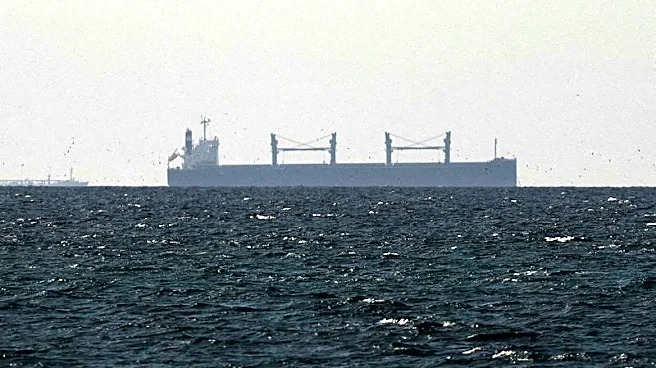
The ongoing conflict between the U.S. and Iran has led to a significant increase in oil prices, surpassing $100 a barrel, due to disruptions in the Strait of Hormuz. This has resulted in higher transportation costs for the U.S. food and beverage industry,
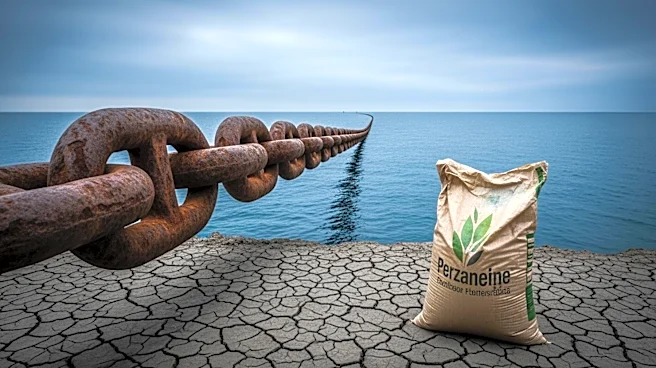
particularly affecting long-distance imports and exports of goods like coffee, cocoa, and spices. The U.S. blockade of Iranian ports is expected to exacerbate these challenges. The industry is also facing increased energy costs, as it is one of the most energy-intensive sectors in the U.S., with sectors like dairy and meat being particularly vulnerable. Additionally, the conflict has highlighted vulnerabilities in raw material supplies, such as fertilizers and packaging materials, and increased the risk of cyber attacks on U.S. businesses.
Why It's Important?
The conflict's impact on oil prices and transportation costs poses a significant threat to the U.S. food and beverage industry, which relies heavily on global supply chains. The increased costs could lead to higher consumer prices and inflation, affecting consumer purchasing power and demand. The industry's reliance on energy-intensive processes makes it particularly susceptible to rising energy costs, which could impact profitability. Furthermore, the potential for cyber attacks adds another layer of risk, emphasizing the need for robust cybersecurity measures. The situation underscores the importance of agility and strategic planning for businesses to navigate these challenges and mitigate potential disruptions.
What's Next?
As the conflict continues, U.S. food and beverage companies will need to closely monitor developments and adapt their strategies accordingly. This may involve exploring alternative supply chains, investing in energy efficiency, and enhancing cybersecurity measures. The industry will also need to engage with policymakers to advocate for measures that can help stabilize the market and support businesses during this period of uncertainty. Companies may also need to consider passing on some of the increased costs to consumers, which could impact demand and require careful communication strategies.