




What's Happening?
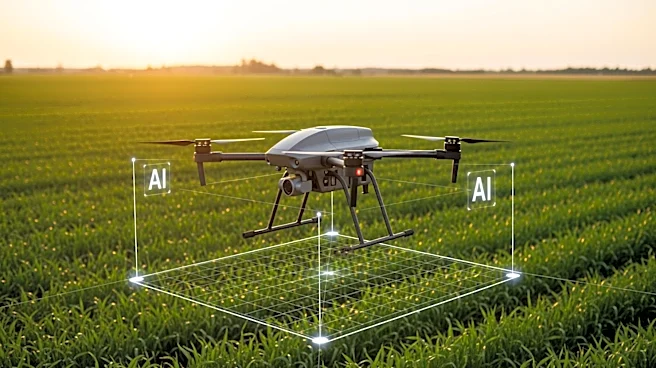
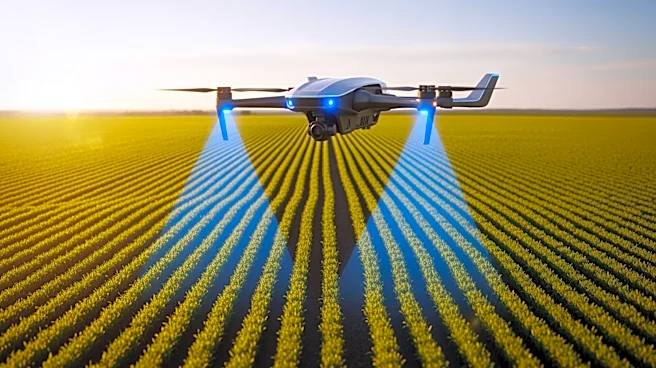
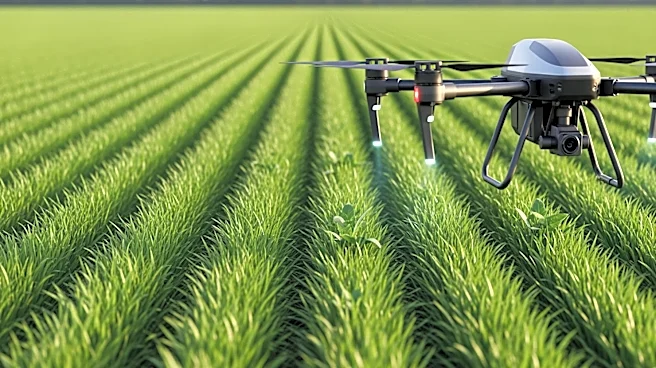
Geodash Aerosystems Pte. Ltd., a joint venture between DroneDash Technologies and Geonet, is set to introduce a new class of agricultural spraying drones designed for large-scale industrial farming operations. The drones, which will be commercially deployed
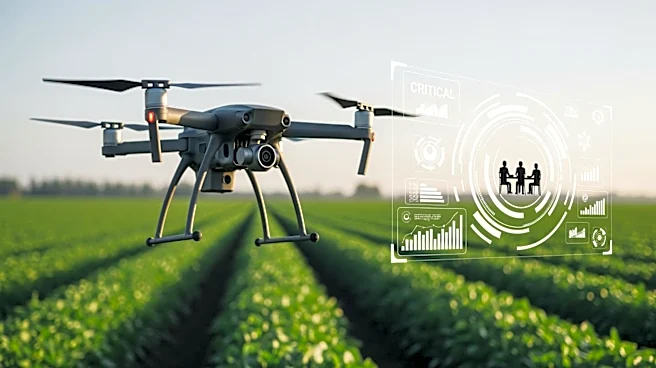
by Q3 2026, utilize real-time AI vision and RTK positioning to dynamically adapt during flight, eliminating the need for manual pre-mapping. This innovation promises faster deployment and lower operating costs, while providing continuous agronomic intelligence. The drones are targeted at industrial agriculture markets, including sugarcane, soybean, and corn operations in the United States, where precision and adaptability are crucial.
Why It's Important?
The introduction of AI-driven drones by Geodash Aerosystems could significantly impact the U.S. agriculture industry by enhancing efficiency and precision in crop management. By removing the need for manual pre-mapping, these drones allow for rapid deployment and real-time data collection, which can lead to better pest and disease management, optimized spray timing, and improved crop health monitoring. This technological advancement may reduce operational costs and increase productivity for large-scale farming operations, potentially transforming the way agronomy teams manage plantations and respond to crop conditions.
What's Next?
As Geodash Aerosystems prepares for commercial deployment in Q3 2026, the focus will be on completing manufacturing readiness and obtaining regulatory approvals. Pilot deployments and system validations are ongoing, with collaboration from plantation operators. The success of these trials will be crucial in determining the widespread adoption of this technology. Stakeholders in the agriculture industry, including plantation managers and agronomy teams, are likely to closely monitor the outcomes to assess the potential benefits and challenges of integrating AI-driven drones into their operations.
Beyond the Headlines
The deployment of AI-driven drones in agriculture raises important considerations regarding data privacy and regulatory compliance. As these drones collect extensive field data, ensuring secure data management and adherence to privacy laws will be essential. Additionally, the shift towards AI-driven solutions may prompt discussions on the ethical implications of automation in agriculture, including the potential impact on employment and the need for new skill sets among workers. Long-term, this technology could drive a shift towards more sustainable farming practices by enabling precise resource management and reducing environmental impact.