

What's Happening?
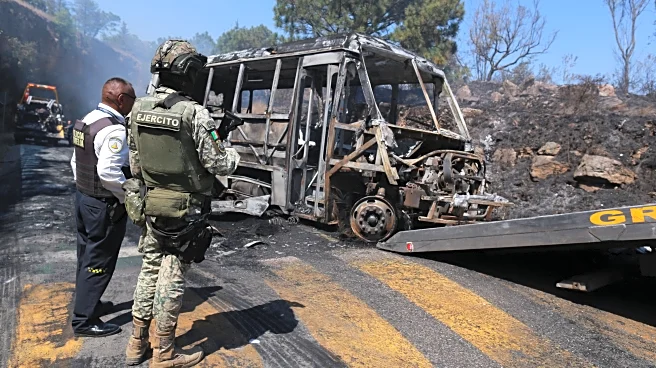
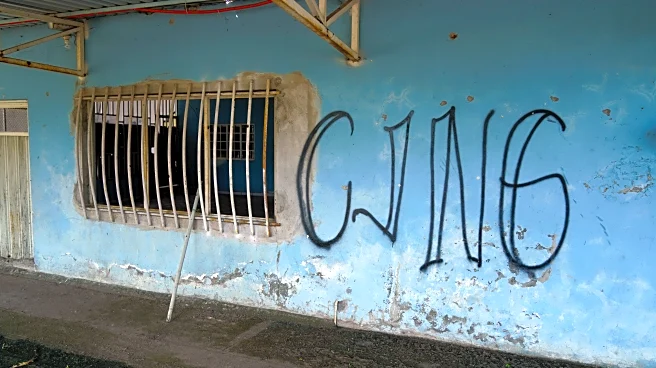
FIFA's 2026 World Cup preparations in Mexico are under scrutiny following violence linked to the killing of a major cartel leader. The unrest led to the postponement of four domestic soccer matches, raising concerns about Mexico's readiness to host the tournament. Guadalajara, Mexico City, and Monterrey are slated to host matches, with Guadalajara scheduled for four games, including two involving South Korea. Despite the violence, there has been no formal indication from FIFA that match locations will be reconsidered. The Jalisco New Generation Cartel, whose leader was reportedly killed, is a significant criminal organization in Mexico, designated as a foreign terrorist organization by the U.S. government.
Why It's Important?
The security concerns surrounding the
2026 World Cup in Mexico highlight the challenges the country faces in ensuring the safety of players and fans. The involvement of powerful cartels like the Jalisco New Generation Cartel poses a significant threat to the event's success. The U.S. has increased pressure on Mexico to combat drug cartels, emphasizing the international implications of the violence. The situation underscores the need for robust security measures to protect the hundreds of thousands of visitors expected for the tournament, which Mexico will co-host with the United States and Canada.
What's Next?
As the tournament approaches, Mexican authorities will likely intensify their efforts to secure the event. This may involve increased collaboration with international partners, including the U.S., to address the cartel threat. FIFA and local organizers will need to assess and possibly enhance security protocols to ensure the safety of all participants. The situation may also prompt discussions about the broader implications of hosting international events in regions with significant security challenges.