
What's Happening?
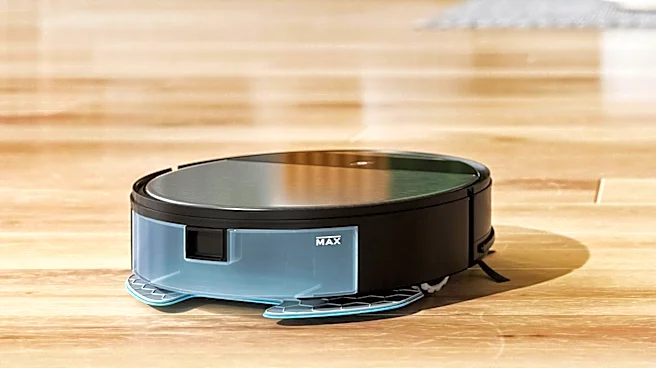
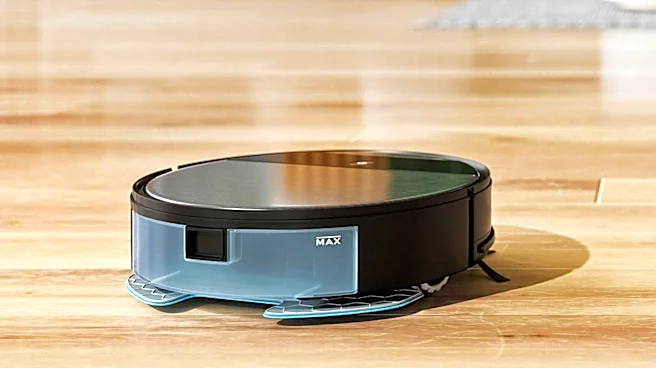
The Roborock Saros 20, a flagship robot vacuum and mop, offers advanced features such as AI smart planning and a lifting chassis for navigating complex floor plans. Despite its high-end capabilities, the
Saros 20 faces challenges in handling large, dense messes and object avoidance. Retailing at $1,600, the device excels in routine cleaning tasks but struggles with more significant debris. The Saros 20's design allows it to glide under furniture and climb over thresholds, making it suitable for varied floor types. However, its performance in targeted cleaning tests revealed limitations, particularly in mopping sticky residues.
Why It's Important?
The Roborock Saros 20 represents the latest advancements in home cleaning technology, integrating AI to enhance cleaning efficiency. Its ability to navigate complex environments and adapt to different surfaces is significant for consumers seeking automated cleaning solutions. However, the device's limitations highlight the ongoing challenges in perfecting robotic cleaning technology. As consumers increasingly rely on smart home devices, the Saros 20's performance issues may influence purchasing decisions and drive further innovation in the sector.
What's Next?
Roborock may continue to refine its technology, addressing the Saros 20's limitations in handling large messes and improving object avoidance. Future models could incorporate more advanced AI features to enhance cleaning precision and efficiency. Consumers can expect ongoing updates to the device's software, potentially improving its performance over time. The competitive landscape for robotic vacuums may also drive innovation, with manufacturers seeking to offer more comprehensive cleaning solutions.
Beyond the Headlines
The Saros 20's challenges in object avoidance and mopping performance reflect broader issues in the development of AI-driven home appliances. As technology evolves, manufacturers must balance advanced features with practical usability, ensuring devices meet consumer expectations. The focus on AI integration in home cleaning devices may lead to long-term shifts in how consumers approach household maintenance, potentially reducing manual cleaning efforts and increasing reliance on automated solutions.