





What's Happening?
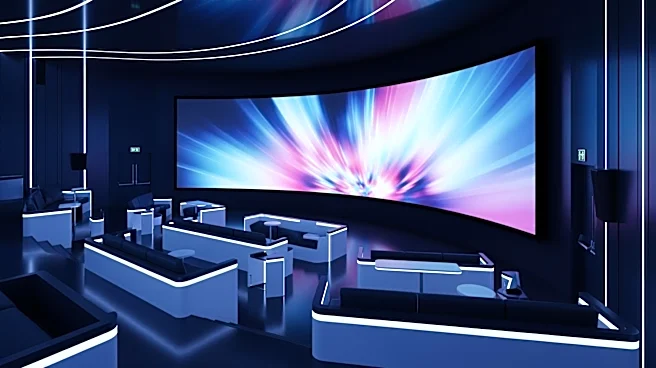
Entertainment hubs in the U.S. are increasingly incorporating immersive design and technology to enhance visitor experiences. These spaces, which serve as 'third places' for social interaction, are evolving to include a mix of physical activities, gaming,
and technology-driven experiences. The gaming market, projected to reach $189 billion by 2025, is a significant driver of this trend. Venues are adopting 'playtainment' concepts, where technology facilitates human connection through gaming. This includes adjusting lighting based on streamed content and showcasing leaderboards across venues. The integration of artificial intelligence and hyper-personalization is also becoming prevalent, catering to the Gen-Z demographic that prefers low-cost, tech-light environments. The shift from ownership to experience is influencing the design of these spaces, which now offer diverse, accessible, and experience-driven environments.
Why It's Important?
The transformation of entertainment hubs reflects broader societal trends towards immersive and shareable experiences. As consumers prioritize these experiences, businesses in the entertainment sector are adapting to meet these demands, potentially leading to increased revenue and customer engagement. The integration of technology and AI in these spaces not only enhances the visitor experience but also positions these hubs as leaders in innovation within the entertainment industry. This evolution could influence other sectors, such as retail and hospitality, to adopt similar strategies to attract and retain customers. Additionally, the focus on creating 'third places' addresses the loneliness epidemic by providing spaces for social interaction and community building.