



What's Happening?
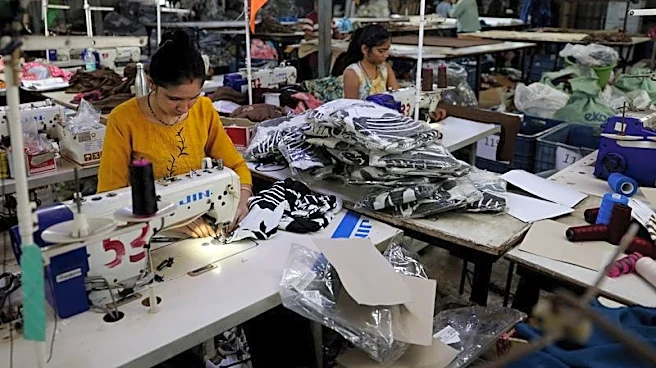
Dame Products, a sexual wellness brand co-founded by Alexandra Fine, is navigating the complexities of tariff refunds following the imposition of tariffs on imports from China during President Trump's administration. The company, which relies on Chinese
manufacturing for its products, faced increased costs when tariffs were raised, leading to inventory shortages and strained relationships with major retailers like Walmart and Target. In response, Dame Products introduced a 'Trump tariff surcharge' on its website orders as a consumer education initiative. However, this led to significant cart abandonment as customers were deterred by unexpected charges. Despite these challenges, the company decided to refund the surcharge to customers after a Supreme Court decision suggested potential tariff reversals. Currently, Dame Products is struggling with the U.S. Customs and Border Protection's refund portal, which has been difficult to access, delaying their $90,000 refund claim.
Why It's Important?
The situation highlights the broader impact of tariff policies on small businesses, particularly those reliant on international supply chains. For Dame Products, the tariffs not only increased operational costs but also disrupted their inventory management and sales strategies. The company's experience underscores the challenges faced by businesses in adapting to sudden policy changes and the importance of efficient government systems for processing refunds. The financial strain from tariffs can significantly affect small businesses, potentially stalling growth and innovation. Moreover, the case illustrates the need for clear communication and customer engagement strategies when implementing price changes due to external factors.
What's Next?
Dame Products is continuing its efforts to secure the tariff refund, which is crucial for recovering from the financial setbacks caused by the increased costs. The company is also likely to reassess its supply chain strategies to mitigate future risks associated with international trade policies. As the refund process progresses, the outcome could influence how other small businesses approach similar challenges. Additionally, the experience may prompt discussions on improving government systems for handling tariff-related issues, potentially leading to policy adjustments that better support small businesses.