


What's Happening?
California, along with seven other states, has filed a lawsuit to prevent the merger between Nexstar and Tegna, a deal valued at $6.2 billion. This merger would result in a significant consolidation of broadcast stations, with the combined entity owning
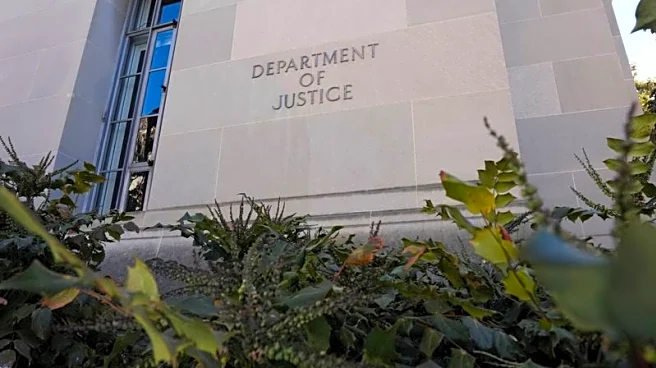
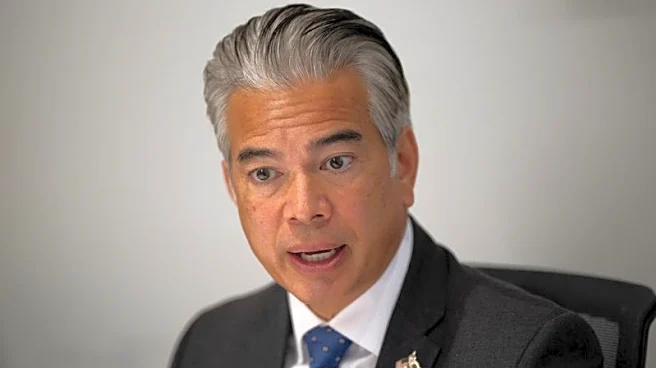
or operating 265 stations covering 80% of the U.S. market. California Attorney General Rob Bonta expressed concerns that the merger would lead to higher cable and satellite prices, negatively impacting local news and consumers. The lawsuit argues that the merger would give Nexstar-Tegna increased bargaining power over cable and satellite operators, allowing them to demand higher retransmission fees, which would be passed on to consumers. The Federal Communications Commission (FCC) and the Justice Department are currently reviewing the transaction, but there is skepticism about federal intervention, prompting the states to take legal action.
Why It's Important?
The proposed merger between Nexstar and Tegna is significant as it could reshape the landscape of local television broadcasting in the U.S. If approved, the merger would create a dominant player in the market, potentially reducing competition and diversity in local news coverage. This consolidation could lead to higher costs for consumers as cable and satellite providers might pass on increased fees to viewers. Additionally, the merger raises antitrust concerns, as it could result in fewer independent news sources, impacting the quality and diversity of information available to the public. The lawsuit highlights the role of state governments in enforcing antitrust laws, especially when federal agencies are perceived as inactive.
What's Next?
The lawsuit filed by the states seeks to block the merger or prevent the combination of top stations in overlapping markets. The case will proceed in federal court, and the outcome could set a precedent for future media mergers. The FCC and the Justice Department's decisions will be crucial, as they have the authority to approve or deny the merger. Nexstar has been lobbying for the merger, arguing that it is necessary to compete with tech giants. The states involved in the lawsuit are also advocating for broader relief that would affect all states where Nexstar and Tegna operate, not just those participating in the legal action.
Beyond the Headlines
The merger's potential impact extends beyond immediate market concerns. It raises questions about the future of local journalism and the role of large media conglomerates in shaping public discourse. The consolidation of media ownership could lead to homogenized news coverage, reducing the diversity of perspectives available to the public. This development also underscores the ongoing tension between traditional media companies and digital platforms, as broadcasters seek to adapt to a rapidly changing media environment. The outcome of this case could influence future regulatory approaches to media ownership and competition.