
What's Happening?
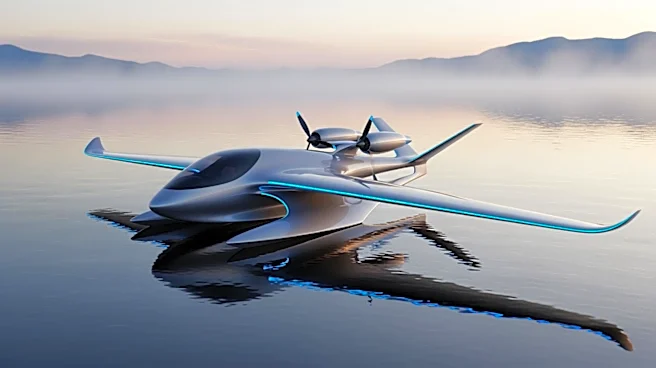
NOEMI Aerospace, a Norwegian startup formerly known as Elfly, is advancing the development of its Noemi electric flying boat, with plans for a prototype flight by the end of 2027. The company is expanding
the potential applications of the Noemi platform beyond its initial passenger transport role to include skydiving, military, search-and-rescue, and aerial firefighting missions. This strategic shift aims to strengthen the business case for the aircraft and attract new investment. The Noemi seaplane is designed to provide a zero-carbon transportation link between coastal communities in Norway, where road travel is often lengthy due to fjord geography. The company is currently in a Series A funding round, with founder Eric Lithun as the largest investor. NOEMI's design approach includes a clean-sheet seaplane design, which contrasts with traditional seaplanes that are often modified land aircraft. The company has developed a new hull geometry to improve performance and reduce drag, validated through simulations and subscale model testing.
Why It's Important?
The development of the Noemi electric seaplane represents a significant advancement in sustainable aviation technology, potentially reducing carbon emissions in regional transport. By expanding the mission capabilities of the aircraft, NOEMI Aerospace is positioning itself to meet diverse market needs, which could enhance its competitiveness and appeal to investors. The ability to adapt the aircraft for various uses, such as firefighting and military operations, could open new revenue streams and increase the aircraft's utility. This development also reflects a broader industry trend towards electrification and sustainability in aviation, which is crucial for reducing the environmental impact of air travel. The success of NOEMI's project could influence other companies to pursue similar innovations, potentially accelerating the adoption of electric aircraft in the industry.
What's Next?
NOEMI Aerospace plans to continue the development of its prototype, TAC1, and a subsequent demonstrator, TAC2, which will be more representative of the final design. The company is also exploring the use of commercially available automotive components for the powertrain, allowing flexibility in propulsion system choices. Certification under the European Union Aviation Safety Agency's CS-23 level three is planned, with the option to certify at level four for increased weight and passenger capacity. This flexibility could enable the aircraft to meet various operational requirements, such as increased range or payload capacity. As the company progresses, it will likely seek additional investment to support these developments and expand its market presence.
Beyond the Headlines
The development of the Noemi electric seaplane highlights the potential for innovation in aviation design, particularly in addressing the unique challenges of seaplane operations. The company's focus on a clean-sheet design and new hull geometry could set a precedent for future seaplane designs, emphasizing the importance of optimizing performance for specific operational environments. Additionally, the project's success could have broader implications for regional transportation networks, particularly in areas with challenging geography like Norway. By providing a sustainable and efficient alternative to traditional transport methods, NOEMI Aerospace could contribute to reducing the carbon footprint of regional travel and inspire similar initiatives worldwide.