





What's Happening?
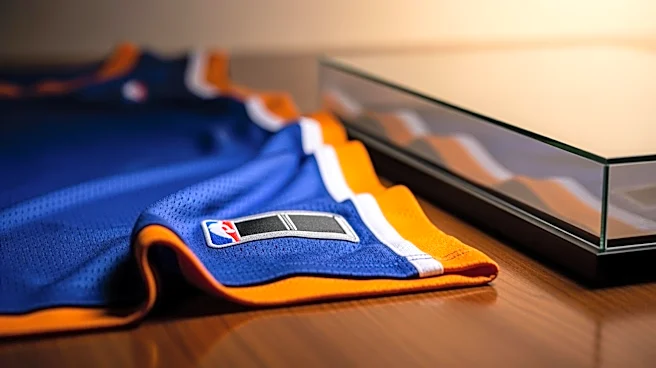
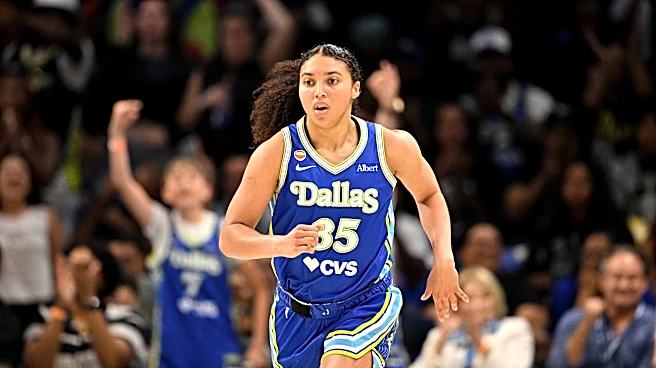
Paige Bueckers, a rising star in the WNBA, has achieved a significant milestone by setting a new record for the most expensive WNBA jersey ever sold. Her jersey, worn during her professional debut with the Dallas Wings on May 16, 2025, was sold for $64,720
through MeiGray, a company specializing in sports memorabilia. This sale nearly doubled the previous record held by A'ja Wilson, whose jersey from the 2025 WNBA Finals sold for $32,150. The sale highlights the growing interest and market for women's sports collectibles, with Bueckers emerging as a major attraction in this space.
Why It's Important?
The sale of Paige Bueckers' jersey at such a high price underscores the increasing popularity and commercial viability of women's basketball. It reflects a broader trend of growing interest in women's sports, driven by the success and visibility of athletes like Bueckers, Caitlin Clark, and A'ja Wilson. This development is significant for the WNBA as it indicates a shift in the sports memorabilia market, where women's sports are gaining recognition and value. The high demand for Bueckers' memorabilia suggests that the league's fan base is expanding, with more people seeking to own a piece of sports history. This trend could lead to increased revenue opportunities for the league and its players.
What's Next?
As Paige Bueckers continues her career, the demand for her memorabilia is likely to grow, potentially leading to more record-breaking sales. The WNBA may capitalize on this trend by promoting its stars and expanding its market reach. Collectors and fans will be watching closely as Bueckers' career progresses, anticipating future milestones that could further elevate her status and the value of her memorabilia. The league might also explore new ways to engage with fans and collectors, leveraging the popularity of its players to enhance its brand and financial prospects.
Beyond the Headlines
The record-breaking sale of Bueckers' jersey highlights a cultural shift towards greater appreciation and support for women's sports. It challenges traditional perceptions of sports memorabilia, which have historically favored men's sports. This change reflects broader societal movements towards gender equality and recognition of female athletes' achievements. As the market for women's sports collectibles grows, it could inspire more young women to pursue careers in athletics, knowing that their contributions are valued and celebrated.