





What's Happening?
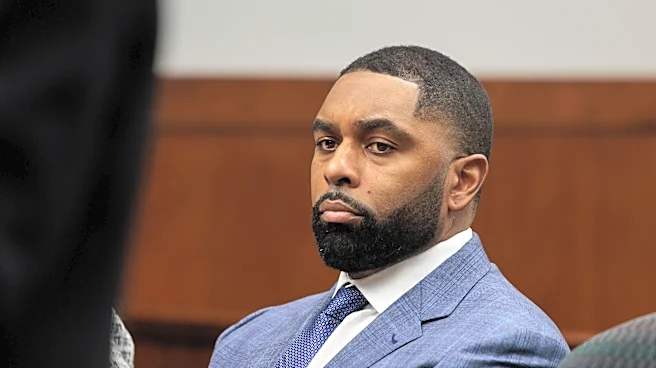
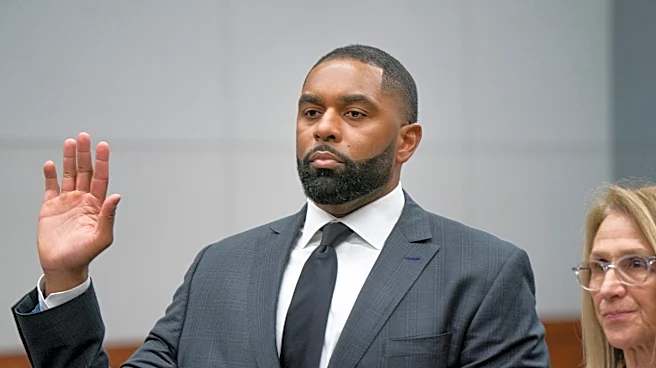
Sherrone Moore, the former Michigan football coach, has been sentenced to 18 months of probation following a confrontation with his executive assistant, Paige Shiver. Moore was dismissed from his position on December 10 after leading the Wolverines for two
seasons, due to an inappropriate relationship with Shiver. On the day of his firing, Moore confronted Shiver, blaming her for his dismissal and threatening self-harm with kitchen utensils. The confrontation led to charges of felony home invasion, stalking, and illegal entry, which were later reduced to misdemeanors of trespassing and malicious use of a telecommunications device. Judge J. Cedric Simpson opted for probation instead of jail time, influenced by Moore's lack of a criminal record and his wife's supportive testimony. Moore is required to undergo mental health treatment, abstain from drugs and alcohol, and have no contact with Shiver.
Why It's Important?
The sentencing of Sherrone Moore highlights the serious consequences of personal misconduct within professional environments, particularly in high-profile positions such as college football coaching. This case underscores the importance of maintaining professional boundaries and the potential repercussions when these boundaries are violated. The decision to grant probation rather than jail time reflects the court's consideration of Moore's personal circumstances, including his mental health and family support. This outcome may influence how similar cases are handled in the future, emphasizing rehabilitation over incarceration. Additionally, the case brings attention to the challenges faced by individuals in positions of power and the impact of their actions on their careers and personal lives.
What's Next?
Moore's probation includes conditions such as mental health treatment and abstaining from drugs and alcohol, which he must adhere to avoid further legal consequences. The court's decision allows Moore to focus on rehabilitation and family support, as indicated by his wife's presence and testimony during the hearing. The case may prompt discussions within the sports community about the pressures faced by coaches and the importance of mental health support. It also serves as a reminder of the need for institutions to address and prevent inappropriate relationships and misconduct. Moore's future in coaching remains uncertain, and his ability to comply with probation terms will be crucial in determining his next steps.
Beyond the Headlines
The case of Sherrone Moore raises broader questions about the ethical responsibilities of individuals in leadership roles and the impact of personal conduct on professional reputation. It highlights the need for organizations to establish clear policies and support systems to prevent and address misconduct. The situation also underscores the importance of mental health awareness and support, particularly in high-pressure environments like college sports. The court's decision to prioritize rehabilitation over punishment reflects a shift towards addressing underlying issues rather than solely focusing on punitive measures. This approach may influence future legal proceedings involving similar cases, emphasizing the importance of mental health and personal accountability.