







What's Happening?
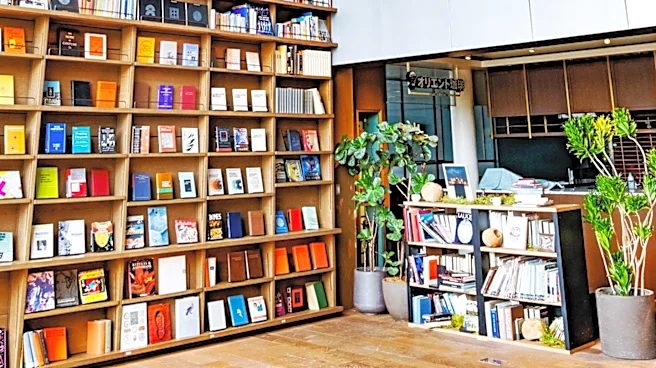
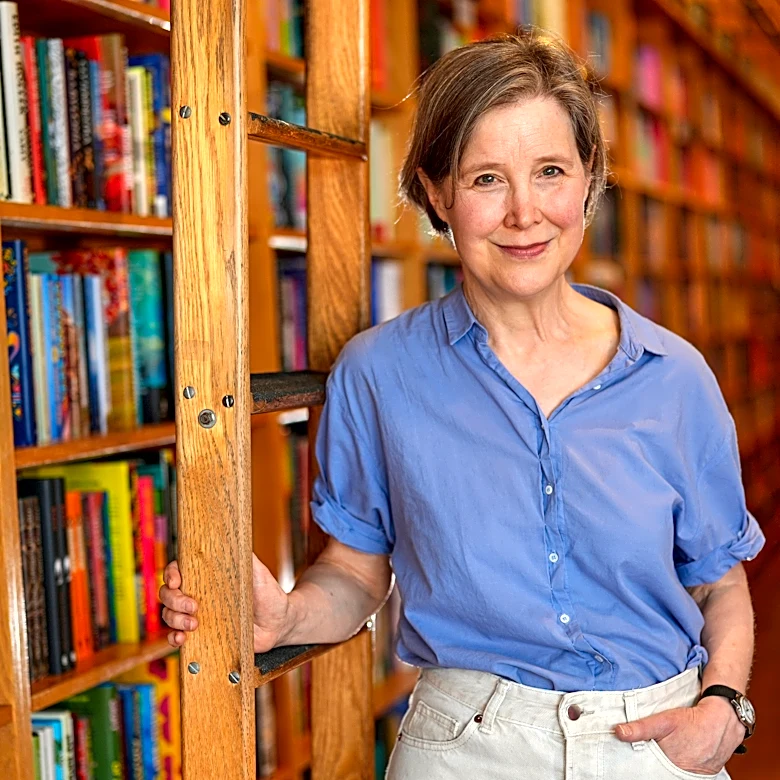
Author-owned bookstores are becoming a notable trend across the United States, providing unique literary experiences and fostering community engagement. Notable authors such as Ann Patchett, Judy Blume, Louise Erdrich, Lauren Groff, Jeff Kinney, George
R.R. Martin, and Emma Straub have opened bookstores that reflect their personal and literary values. These stores are not only retail spaces but also cultural hubs that promote reading and community interaction. For instance, Judy Blume's Books & Books in Florida and Louise Erdrich's Birchbark Books & Native Arts in Minnesota focus on local culture and Indigenous literature, respectively. Meanwhile, Lauren Groff's The Lynx Books in Florida emphasizes freedom of expression by featuring books banned in schools. These bookstores are thriving despite the dominance of online retailers like Amazon, highlighting a resurgence in physical book retailing.
Why It's Important?
The rise of author-owned bookstores signifies a shift in the book retail industry, where personal connection and community engagement are becoming increasingly valued. These stores offer a counter-narrative to the impersonal nature of online shopping, providing spaces where readers can interact with authors and participate in literary events. This trend also supports local economies and promotes cultural diversity by featuring specialized collections, such as Indigenous literature or banned books. The success of these bookstores suggests a growing demand for personalized and meaningful shopping experiences, which could influence broader retail strategies. Additionally, they serve as platforms for authors to directly engage with their audiences, fostering a deeper appreciation for literature and storytelling.
What's Next?
As author-owned bookstores continue to gain popularity, they may inspire more authors to open their own stores, further diversifying the literary landscape. These bookstores could expand their offerings to include more community events, workshops, and collaborations with local artists and writers. The trend may also encourage traditional bookstores to adopt similar community-focused approaches to remain competitive. Additionally, the success of these stores could lead to increased advocacy for freedom of expression and cultural representation in literature, influencing public discourse and policy. The continued growth of this trend will likely depend on the ability of these bookstores to adapt to changing consumer preferences and maintain their unique appeal.