




What's Happening?
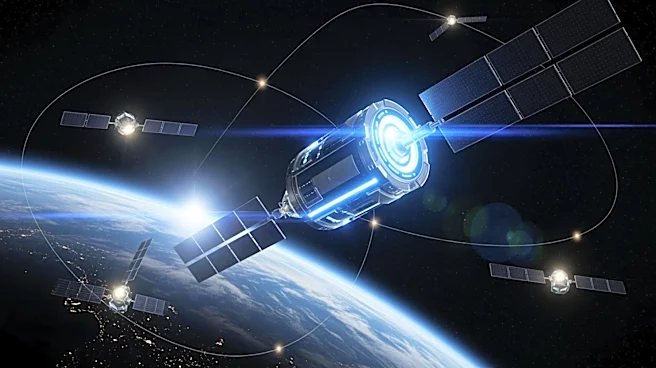
Amazon's Leo satellite network, initially expected to launch commercially by late 2025 or early 2026, is now scheduled for mid-2026, according to CEO Andy Jassy. The network aims to provide high-speed internet services and compete with existing providers
like SpaceX's Starlink. Amazon has already deployed over 200 low-Earth orbit satellites and plans to expand this to 700 by July. The company is seeking a 24-month extension from the FCC to meet its deployment goals. Amazon Leo plans to double its annual launch rate, with significant investments in launch facilities and partnerships with companies like United Launch Alliance and Blue Origin.
Why It's Important?
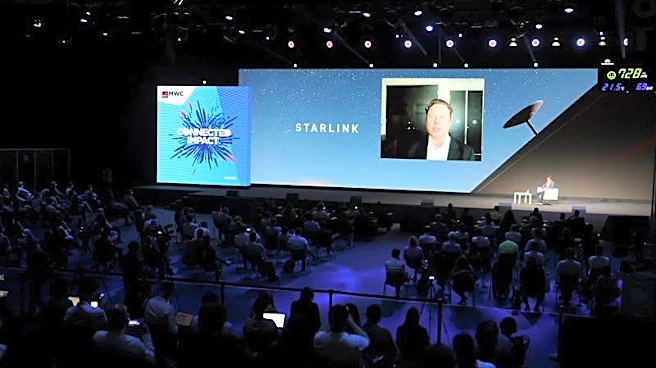
The delay in Amazon's Leo satellite network launch could impact the competitive landscape of satellite internet services. With SpaceX's Starlink already having a significant lead in satellite deployment and subscriber base, Amazon's entry could introduce more competitive pricing and service options. This development is crucial for consumers and businesses seeking affordable and high-speed internet, especially in underserved areas. The success of Amazon Leo could also influence the broader satellite communications market, potentially driving innovation and price adjustments among existing providers.
What's Next?
Amazon plans to continue its satellite deployment aggressively, with over 20 missions scheduled for the second year of deployment. The company is investing heavily in infrastructure to support these launches, including upgrades at Cape Canaveral and Vandenberg Space Force Base. The FCC's decision on Amazon's extension request will be pivotal in determining the timeline for the full deployment of the Leo network. Additionally, Amazon's partnerships with major companies like Delta Airlines and JetBlue indicate a strategic focus on expanding its service reach once operational.