
What's Happening?
Disney has significantly closed the viewership gap with YouTube, driven by a surge in sports viewership during January, according to Nielsen's latest Media Distributor Gauge report. Disney captured 11.9% of all U.S. TV viewing, closely trailing YouTube's
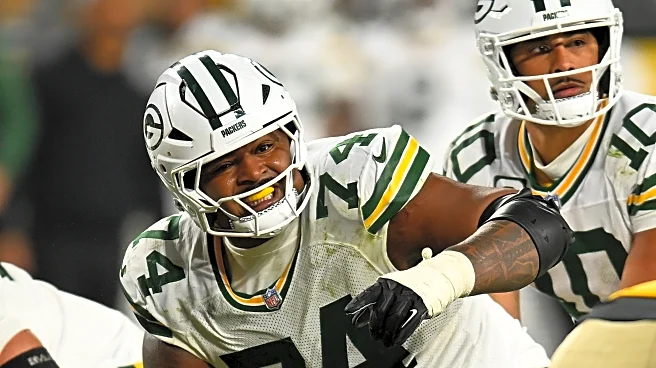
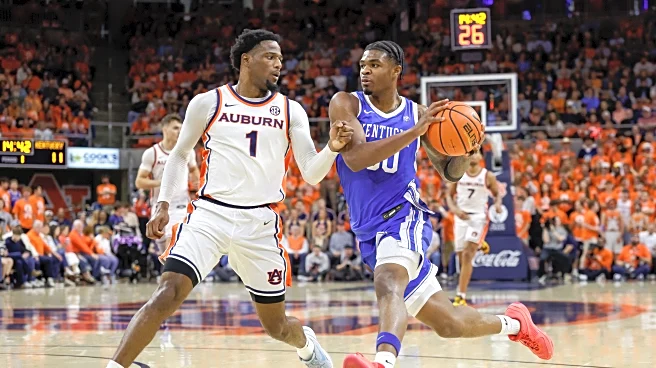
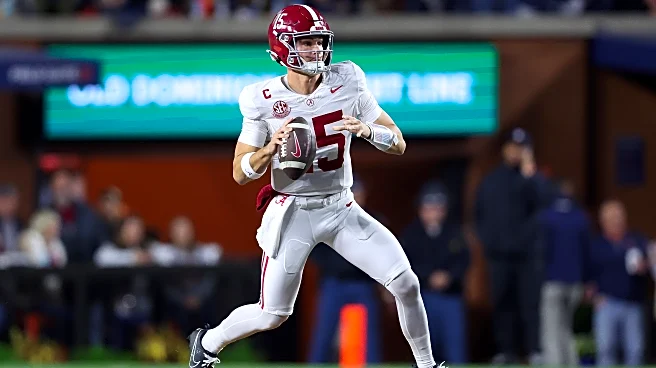
12.5%. The increase is attributed to the popularity of college and NFL football, particularly the College Football Playoff, which expanded to 12 teams and drew substantial audiences on ABC and ESPN. This surge in sports viewership propelled Disney's linear viewing to a 12-month high, with ESPN experiencing an 82% increase in tune-in. The report highlights Disney's strategic advantage in leveraging live sports to boost its viewership metrics.
Why It's Important?
Disney's ability to close the viewership gap with YouTube underscores the enduring appeal of live sports as a key driver of television ratings. This development is significant for the media industry, as it demonstrates the potential for traditional broadcasters to compete with digital platforms by capitalizing on live events. The increased viewership not only enhances Disney's market position but also highlights the importance of sports programming in attracting and retaining audiences. This trend may influence future content strategies for media companies, as they seek to balance traditional and digital offerings to maximize viewership and advertising revenue.
What's Next?
As Disney continues to leverage sports programming to boost viewership, the company may explore additional opportunities to expand its sports offerings and partnerships. The success of the College Football Playoff could lead to further investments in sports broadcasting rights, potentially increasing competition among media companies for exclusive content. Additionally, the ongoing rivalry with digital platforms like YouTube may prompt Disney to innovate its content delivery methods, integrating more interactive and digital elements to enhance viewer engagement. The media landscape will likely see continued evolution as companies adapt to changing consumer preferences and technological advancements.