
What's Happening?
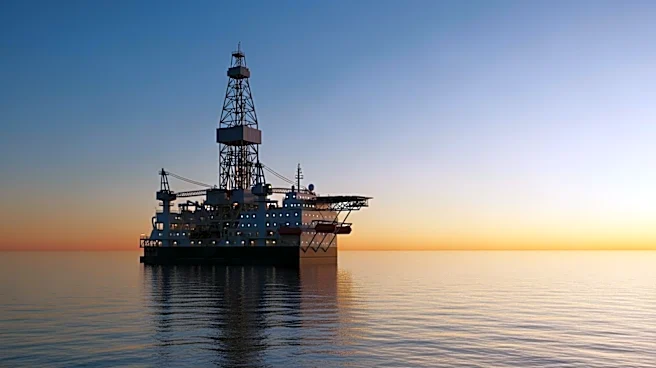
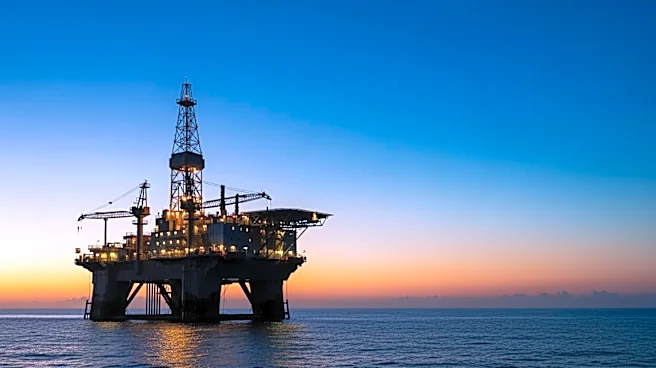
Oil majors are ramping up exploration investments to address a potential 300-billion-barrel supply gap by 2050. This shift in focus is driven by recent offshore discoveries in regions like Namibia, Suriname,
and Argentina's Vaca Muerta, which have re-energized interest in underexplored basins. These areas are seen as crucial for future supply, given the constraints faced by established supply centers. The Eastern Mediterranean is also gaining attention due to new gas discoveries that could supply Europe as it seeks to diversify away from traditional sources. However, the development of these resources is challenged by infrastructure, financing, and political stability issues.
Why It's Important?
The increased focus on frontier exploration is significant as it highlights the industry's response to declining production in mature basins and the need for new supply sources. This shift could have substantial implications for global energy markets, particularly as demand continues to grow. The success of these exploration efforts could determine the future stability of oil and gas supplies, impacting prices and energy security. Additionally, the development of these resources could bring economic benefits to the regions involved, though it also poses environmental and geopolitical challenges.
What's Next?
The next steps involve navigating the complexities of developing these frontier resources. Companies will need to implement phased development strategies, form partnerships to share risks, and focus on commercially viable discoveries. The success of these efforts will depend on overcoming infrastructure and political challenges, as well as securing necessary financing. The outcome will influence global supply dynamics and could reshape the energy landscape over the coming decades.