



What's Happening?
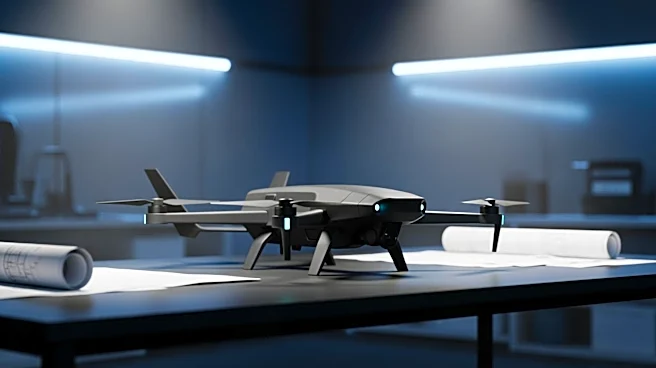
Cities are increasingly considering the use of unmanned aerial vehicles (UAVs), commonly known as drones, to address urban congestion issues, particularly in logistics. The integration of drones into the logistics ecosystem is seen as a potential solution
to bypass traffic and geographic barriers, thereby reducing pressure on ground infrastructure. In New York City, for example, drones could significantly reduce delivery times by flying over natural obstacles like rivers. The city's Economic Development Corporation is converting the Lower Manhattan heliport into a UAV cargo terminal, highlighting the seriousness of this shift. However, the success of drones in logistics depends on their seamless integration with existing systems, including trucks, warehouses, and bicycles.
Why It's Important?
The integration of drones into urban logistics could revolutionize the way goods are transported in cities, potentially reducing congestion and improving delivery efficiency. This shift could benefit retailers and logistics companies by enabling faster and more reliable deliveries, especially in densely populated areas. However, the success of this initiative depends on the development of standardized systems for drone operations and the establishment of infrastructure that supports drone landings and takeoffs. Cities that successfully integrate drones into their logistics networks could see significant improvements in traffic flow and delivery times, benefiting both businesses and consumers.
What's Next?
For drones to become a viable part of urban logistics, cities will need to develop infrastructure that anticipates future capabilities, standardize loading and unloading methods, and adjust zoning laws to support aerial access points in buildings. Public-private partnerships will be crucial in developing these systems, and regulators must create flexible frameworks to adapt to technological advancements. As drone technology continues to evolve, cities that invest in drone-friendly infrastructure and policies could lead the way in transforming urban logistics.