
What's Happening?
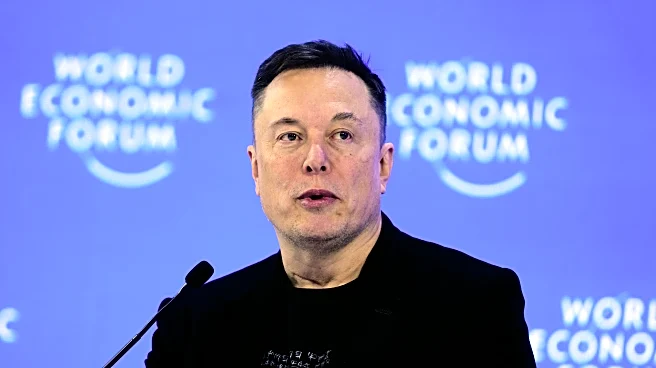
Tesla is pivoting away from traditional car sales, focusing instead on autonomous technology and robotics. During a recent earnings call, CEO Elon Musk emphasized Tesla's future as a leader in AI and robotics,
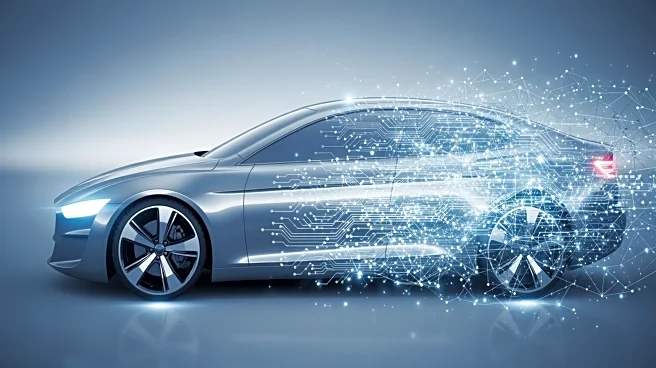
rather than just an automaker. The company has discontinued its Model S and Model X vehicles to prioritize the development of autonomous vehicles and humanoid robots. Despite a decline in automotive revenue, Tesla is investing heavily in its Full Self-Driving (FSD) technology and plans to expand its robotaxi services.
Why It's Important?
Tesla's shift reflects broader industry trends towards autonomous and subscription-based services. This move could redefine the automotive industry, influencing how vehicles are manufactured, sold, and utilized. Tesla's focus on AI and robotics positions it as a key player in the future of transportation, potentially impacting competitors and market dynamics. However, the transition also poses risks, as Tesla must navigate regulatory challenges and public skepticism about autonomous technology.
What's Next?
Tesla plans to continue developing its autonomous technology, with expectations to launch robotaxi services in multiple U.S. cities. The company is also working on a new version of its Optimus robot, aiming for mass production by 2027. As Tesla advances its technology, it will face scrutiny from regulators and the public, particularly regarding safety and ethical considerations. The success of Tesla's strategy will depend on its ability to deliver reliable autonomous solutions and maintain consumer trust.