What's Happening?
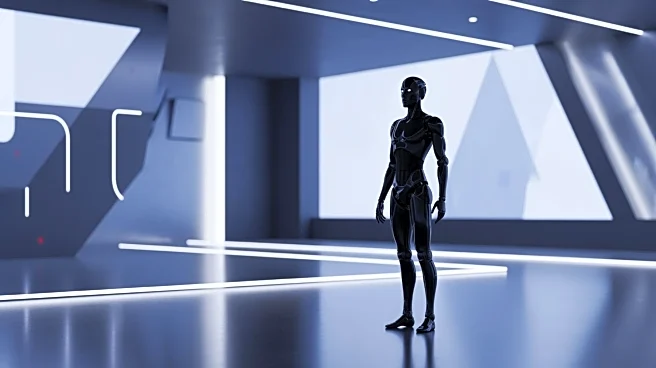
Humanoid robots are increasingly being integrated into homes and workplaces, with companies like Agility Robotics and 1X leading the charge. These robots, such as Digit from Agility Robotics, are already
operational in warehouses, though they are kept separate from human workers for safety reasons. The technology for safe human interaction is still under development. In homes, robots like Neo from 1X are being introduced, but they require teleoperation by experts initially, raising concerns about privacy and surveillance. The data collected from early adopters' homes will be used to train these robots for autonomous operation. Despite the potential benefits, the high cost of these robots, such as Neo's $20,000 price tag, and the need for teleoperation, pose significant barriers to widespread adoption.
Why It's Important?
The introduction of humanoid robots into homes and workplaces could significantly impact various sectors, including labor markets and privacy norms. While these robots promise to perform tasks that humans may not want to do, their presence raises questions about job displacement for workers currently performing these roles. Additionally, the privacy implications of having internet-connected devices with cameras and microphones in homes are substantial, as they could lead to increased surveillance and data security concerns. The high cost of these robots also limits accessibility, potentially widening the gap between those who can afford such technology and those who cannot.
What's Next?
As humanoid robots become more prevalent, companies will need to address safety, privacy, and cost issues to gain public trust and acceptance. The development of technology that allows safe interaction with humans is crucial for removing current operational barriers. Additionally, companies like 1X will need to ensure robust data protection measures and offer clear opt-out options for data sharing to alleviate privacy concerns. The economic implications of robot integration into the workforce will also need to be addressed, with potential policy interventions to support displaced workers.
Beyond the Headlines
The rise of humanoid robots could lead to long-term shifts in societal norms and labor dynamics. As these robots become more capable, they may redefine what tasks are considered human work, potentially leading to a reevaluation of labor value and employment structures. The ethical considerations of surveillance and data collection in private spaces will also become more prominent, necessitating new legal frameworks to protect individual privacy rights. Furthermore, the cultural acceptance of robots in daily life will evolve, influencing how society interacts with technology.