







What's Happening?
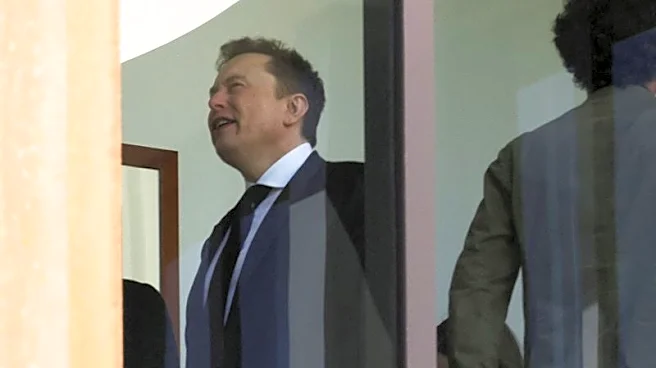
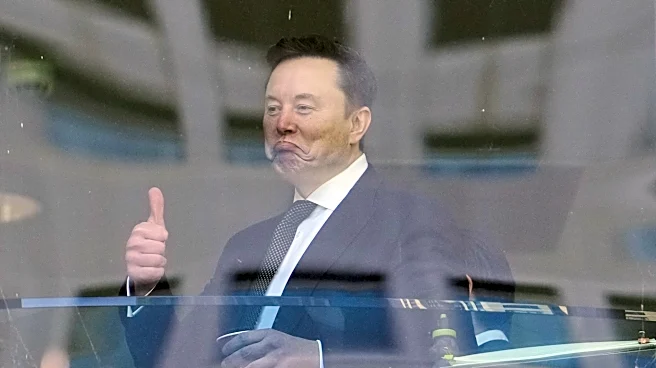
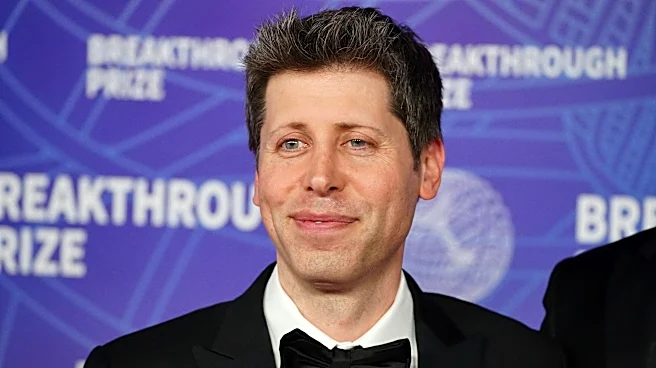
Elon Musk testified in a California federal court, alleging that OpenAI's co-founders, including Sam Altman, misappropriated the organization. Musk claimed that the founders diverted OpenAI from its original charitable mission. During the trial, Musk admitted
that Tesla is not currently pursuing artificial general intelligence (AGI), contradicting his previous social media statements. OpenAI's attorney, William Savitt, argued that Musk had supported the company's transition to a commercial entity, which Musk confirmed he had negotiated in 2016. The court proceedings are ongoing, with Judge Yvonne Gonzalez Rogers temporarily suspending questioning on safety issues. Musk is expected to continue his testimony.
Why It's Important?
Musk's allegations against OpenAI could have significant implications for the organization's reputation and its leadership. If proven, these claims might affect investor confidence and public perception of OpenAI's mission and operations. The case also highlights broader issues in the tech industry regarding the balance between profit motives and ethical considerations in AI development. Musk's testimony could influence regulatory scrutiny and public discourse on the governance and accountability of AI organizations, potentially leading to increased calls for transparency and ethical standards in the industry.
What's Next?
The court case is set to continue, with Musk expected to provide further testimony. The outcome of the trial could impact OpenAI's leadership and strategic direction. Depending on the court's findings, there may be legal and financial repercussions for the organization and its founders. The case could also prompt discussions within the tech community about the ethical responsibilities of AI companies and the need for regulatory frameworks to ensure accountability and transparency in AI development.