








What's Happening?
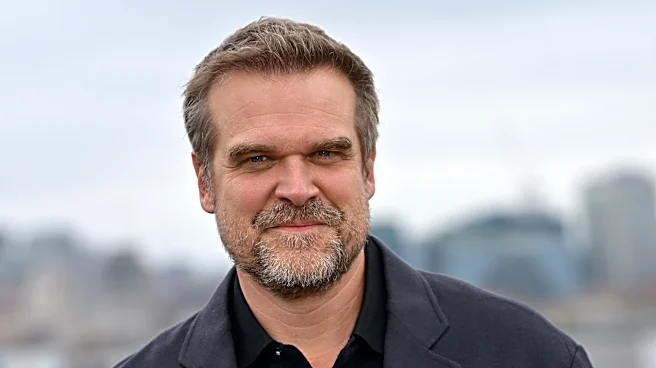
David Harbour, known for his role as Hopper in 'Stranger Things', has addressed past tensions with co-star Millie Bobby Brown, who played his on-screen daughter, Eleven. In a recent interview, Harbour acknowledged a previous report by the Daily Mail that
Brown had filed a harassment and bullying claim against him before the final season of the show. Harbour described the situation as a 'weird' media portrayal and emphasized that their relationship has always been positive. Brown also commented, stating that their relationship evolved into a more collaborative and emotionally supportive dynamic over the years. Harbour likened their disagreements to typical family spats, noting that working together for a decade naturally led to occasional conflicts, which they resolved over time.
Why It's Important?
The revelation of past tensions between Harbour and Brown highlights the complexities of long-term professional relationships, especially in high-pressure environments like television production. This situation underscores the importance of addressing and resolving workplace conflicts to maintain a healthy working environment. For fans of 'Stranger Things', this insight into the actors' off-screen relationship adds depth to their on-screen dynamic, potentially enhancing the viewing experience. Additionally, Harbour's and Brown's comments reflect broader industry conversations about workplace culture and the handling of interpersonal issues, which can influence public perceptions and industry practices.
What's Next?
Harbour has expressed a desire to work with Brown again, suggesting that their professional relationship will continue beyond 'Stranger Things'. This could lead to future collaborations that capitalize on their established chemistry. The resolution of their past issues may also serve as a model for other actors and production teams in handling similar situations, promoting open communication and conflict resolution in the entertainment industry.
Beyond the Headlines
The situation between Harbour and Brown also touches on the broader cultural discourse about the portrayal of personal conflicts in the media. Harbour's comments about the 'weird' media world reflect a growing concern about how personal and professional disputes are reported and perceived by the public. This case may encourage media outlets to consider more nuanced approaches to reporting on interpersonal issues, balancing public interest with the privacy and dignity of those involved.