



What's Happening?
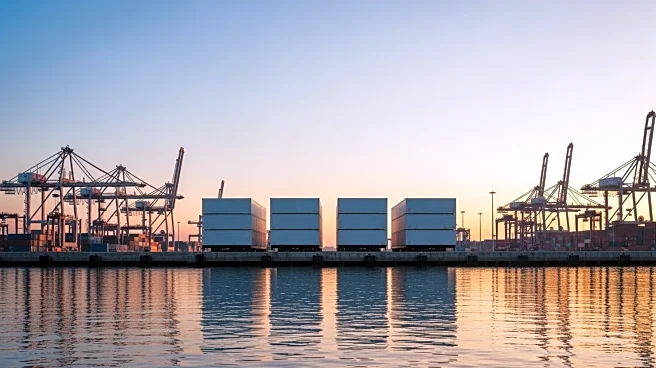
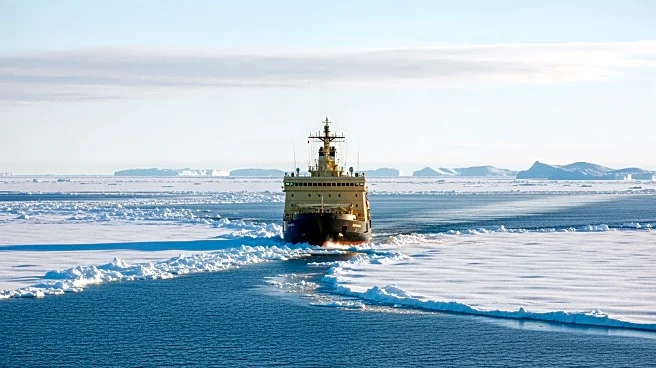
Arctic Gateway Group (AGG) has partnered with Canadian shipping company Fednav to explore the feasibility of year-round shipping from the Port of Churchill. This initiative involves assessing the operational requirements necessary to navigate the ice-covered waters of Hudson Bay. The study, expected to conclude by summer, aims to inform AGG's long-term business planning. The collaboration will focus on understanding ice conditions, shipping patterns, and the investments needed to extend the shipping season. This effort is part of a broader set of initiatives in Hudson Bay, which includes environmental assessments and consultations with Indigenous communities, governments, and environmental stakeholders. The work is complementary to other research
and planning activities in the region, such as those led by the Arctic Research Foundation and Parks Canada.
Why It's Important?
The exploration of year-round shipping from the Port of Churchill is significant as it could enhance trade corridors and economic opportunities in the Arctic region. By potentially extending the shipping season, the initiative could lead to increased economic activity and connectivity for northern communities. However, it also raises environmental and governance considerations, necessitating extensive consultations with Indigenous partners and stakeholders. The project aligns with broader efforts to balance economic development with environmental conservation and Indigenous rights. Successful implementation could position the Port of Churchill as a key player in Arctic shipping, influencing trade dynamics and infrastructure investments in the region.
What's Next?
The next steps involve completing the operational study by summer and engaging in consultations with Indigenous communities, governments, and environmental groups. Any decision to proceed with year-round shipping will require regulatory approvals and alignment with environmental and community interests. The findings from this study will contribute to ongoing discussions about Arctic shipping routes and conservation efforts. Stakeholders will need to address potential environmental impacts and ensure that Indigenous rights and perspectives are integrated into decision-making processes. The outcome of these efforts could shape the future of Arctic shipping and regional development strategies.