




What's Happening?
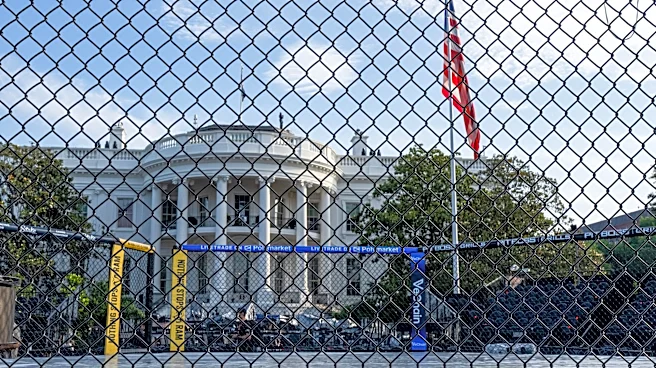
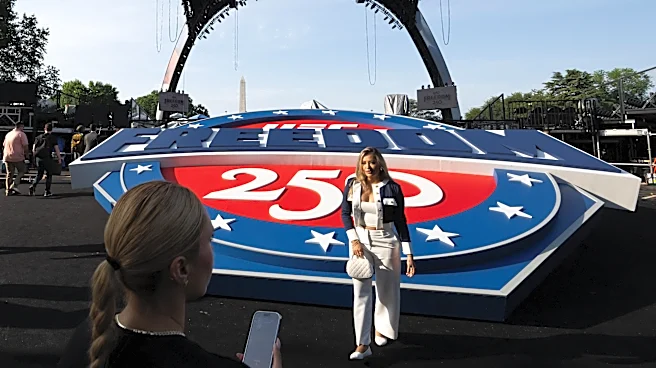
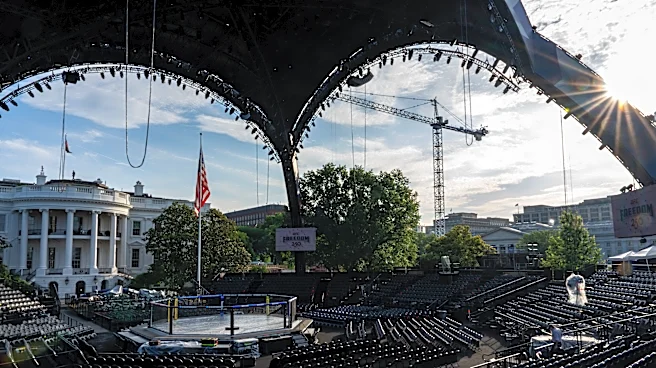
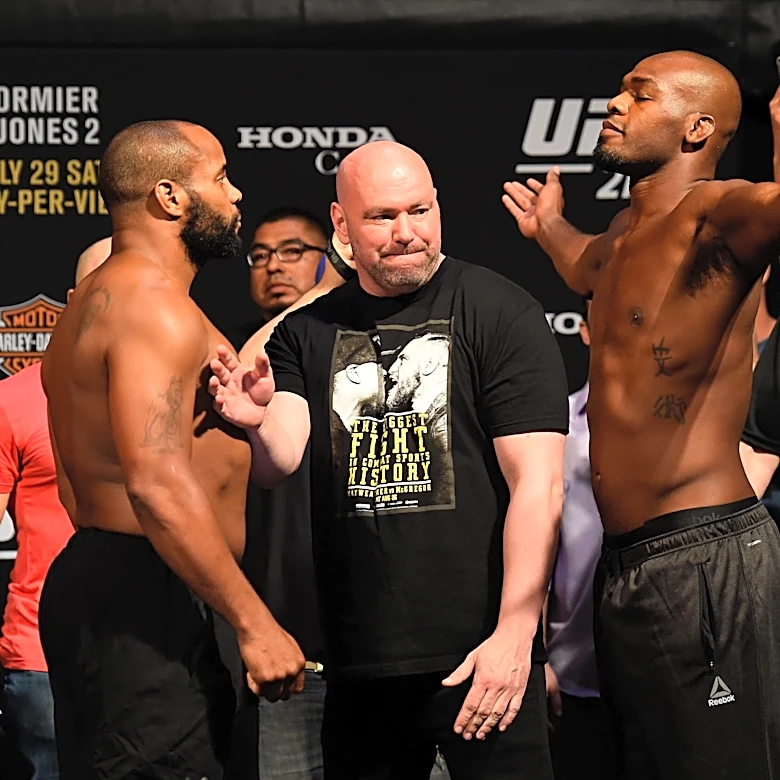
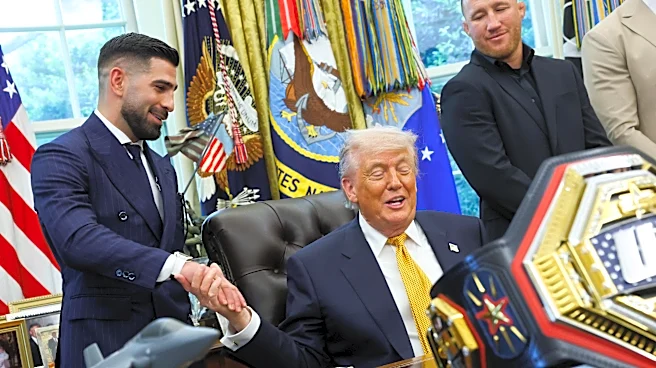
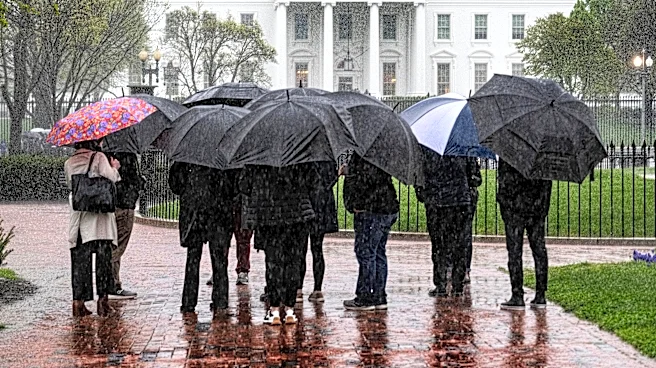
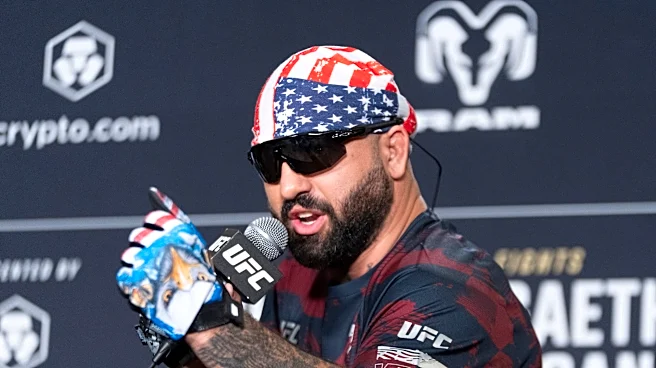
Dana White, the president of the Ultimate Fighting Championship (UFC), has orchestrated a significant event at the White House, marking a milestone in the relationship between the UFC and President Trump. The event, dubbed 'Freedom 250', is set to take
place on the South Lawn of the White House, featuring seven fights to celebrate President Trump's 80th birthday and the 250th anniversary of the Declaration of Independence. This collaboration highlights the longstanding relationship between White and Trump, which has been mutually beneficial in terms of visibility and support. The UFC, once criticized as 'human cockfighting', has grown into a mainstream sport, partly due to White's leadership and Trump's endorsement. The event is expected to draw global attention, although it has faced criticism for its timing amidst ongoing international tensions.
Why It's Important?
The UFC event at the White House underscores the intersection of sports and politics, showcasing how sports can be leveraged for political and cultural influence. For the UFC, this event represents a significant branding opportunity, elevating its status on the global sports calendar. For President Trump, it reinforces his connection with a key demographic that supports both the UFC and his political agenda. The event also highlights the broader trend of sports being used as a platform for political expression and diplomacy. However, it raises questions about the appropriateness of such events at a time of international conflict and economic challenges, potentially impacting public perception of both the UFC and the Trump administration.
What's Next?
Following the event, it is likely that both the UFC and President Trump will continue to capitalize on their partnership, potentially organizing similar high-profile events in the future. The success of 'Freedom 250' could pave the way for more sports events at politically significant venues, further blurring the lines between sports and politics. Stakeholders, including political leaders and sports organizations, may need to navigate the implications of such collaborations, balancing public interest with political agendas. The event's reception could influence future decisions on the use of government spaces for private or commercial events.
Beyond the Headlines
The UFC event at the White House raises ethical and cultural questions about the commercialization of political spaces and the role of sports in political discourse. It reflects a broader cultural shift where sports are increasingly intertwined with political and social issues. This trend may lead to a reevaluation of the boundaries between entertainment and politics, as well as the responsibilities of sports organizations in political contexts. The event also highlights the potential for sports to serve as a unifying force, bringing together diverse audiences, but also as a divisive tool when aligned with specific political ideologies.