
What's Happening?
The U.S. auto industry is poised for significant changes in 2026, driven by advancements in artificial intelligence (AI) and ongoing affordability challenges. Automakers like Hyundai, Kia, and Mercedes-Benz
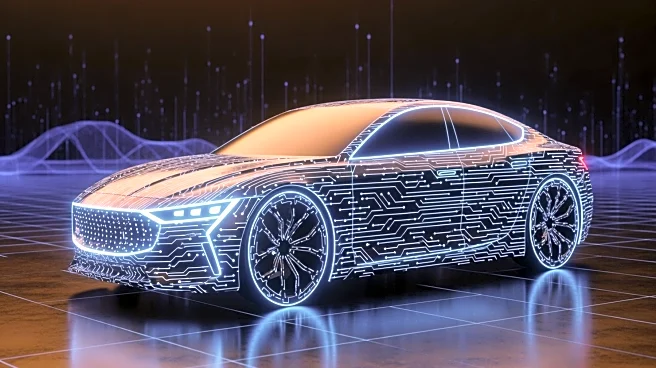
are integrating AI features such as navigation and voice control into their vehicles, with expectations for AI to enhance safety and maintenance predictions. The concept of software-defined vehicles (SDVs) is gaining traction, promising over-the-air updates and improved in-car features. Despite the push towards electric vehicles (EVs), traditional combustion engines are seeing a resurgence, with companies like Ram and Chevy developing new models. Meanwhile, the affordability crisis persists, with average new car prices around $50,000, exacerbated by tariffs and inflation. Chinese automakers, like Geely, are eyeing the U.S. market, potentially increasing competition.
Why It's Important?
The developments in AI and SDVs could revolutionize the driving experience, making vehicles safer and more efficient. However, the affordability crisis poses a significant barrier to consumer access, potentially leading to longer loan terms and higher interest rates. The resurgence of combustion engines indicates a complex transition to EVs, influenced by consumer preferences and economic factors. The potential entry of Chinese automakers into the U.S. market could disrupt the industry, offering lower-cost alternatives and advanced technology. These dynamics highlight the challenges and opportunities facing the U.S. auto industry as it navigates technological advancements and economic pressures.
What's Next?
As AI becomes more integrated into vehicles, automakers will need to address consumer concerns about data privacy and safety. The industry may see increased regulatory scrutiny as AI and SDVs become more prevalent. The affordability crisis may prompt policy interventions to make vehicles more accessible. The potential entry of Chinese automakers could lead to increased competition, prompting U.S. companies to innovate and reduce costs. The balance between EVs and combustion engines will continue to evolve, influenced by consumer demand and environmental policies.