





What's Happening?
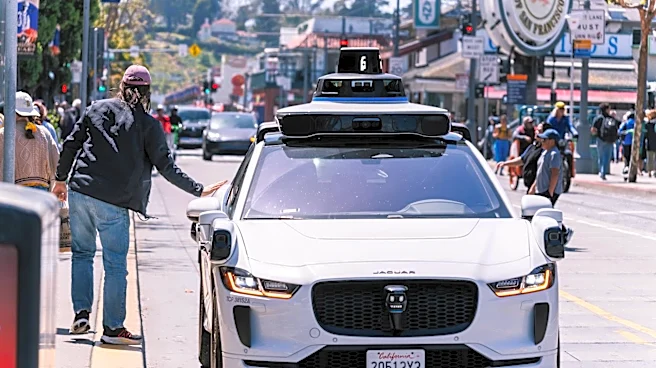
Tesla's robotaxi service in Texas is experiencing significant challenges, as reported by Reuters. The service, which is still in a beta-testing phase, has been plagued by long wait times and navigation issues. Reporters testing the service in cities like
Dallas and Houston found that the robotaxis often dropped passengers far from their intended destinations, sometimes requiring a 15-minute walk. In Dallas, a trip that should have taken 20 minutes extended to two hours due to navigation errors. In Houston, attempts to book a ride were frequently unsuccessful, with the app canceling rides or showing no availability. In Austin, wait times exceeded 15 minutes in half of the cases, and no cars were available in 27% of attempts. Additionally, Tesla's robotaxis have been involved in 15 accidents, raising safety concerns.
Why It's Important?
The issues with Tesla's robotaxi rollout highlight the challenges of deploying autonomous vehicle technology at scale. The delays and navigation problems could impact Tesla's reputation and its ability to compete in the growing autonomous vehicle market. The safety concerns, including accidents and the tendency of the robotaxis to speed, could lead to regulatory scrutiny and affect public trust in autonomous vehicles. The inefficiencies in the service could also hinder Tesla's goal of expanding its robotaxi network and achieving widespread adoption. These challenges underscore the complexities of transitioning from beta testing to a fully operational service.
What's Next?
Tesla will likely need to address the navigation and availability issues to improve the reliability of its robotaxi service. This may involve refining its Full Self Driving (FSD) software and increasing the number of vehicles in operation to reduce wait times. The company may also face pressure to enhance safety measures and transparency, particularly regarding accident data. Regulatory bodies could become more involved if safety concerns persist, potentially leading to stricter guidelines for autonomous vehicle operations. Tesla's ability to resolve these issues will be crucial for its future in the autonomous vehicle market.