


What's Happening?
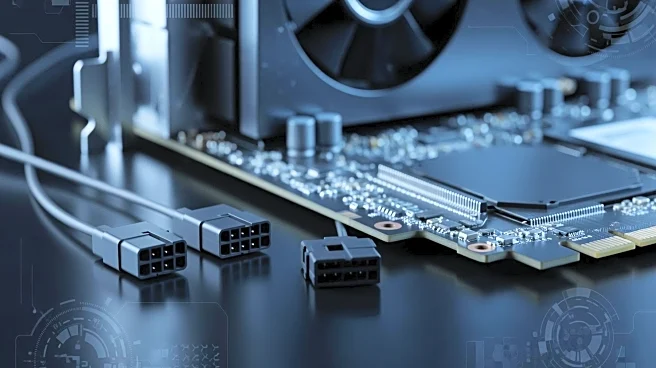
A GeForce RTX 5090 graphics card reportedly failed after a modification to add a second 16-pin power connector. The modification, performed by Frame Chasers, involved adding a second 12V-2x6 connector to a Gigabyte Aorus Master model, which already had
an unpopulated PCB footprint for it. This type of modification is typically used by extreme overclockers to enhance performance. However, the card failed shortly after the modification, with a capacitor reportedly blowing out. The card has been sent to Northwest Repair for assessment, but the exact cause of the failure remains unclear. Frame Chasers suggested that the use of a heat gun during the soldering process might have contributed to the issue.
Why It's Important?
The failure of the RTX 5090 after a power connector modification highlights the risks associated with hardware modifications, especially those involving power delivery systems. Such modifications can introduce new failure points and are not recommended without proper expertise and equipment. This incident underscores the importance of adhering to manufacturer specifications and the potential consequences of deviating from them. It also raises questions about the reliability and safety of extreme overclocking practices, which can push hardware beyond its intended limits. The outcome of the repair assessment could provide valuable insights into the risks of such modifications and inform future practices in the overclocking community.