



What's Happening?
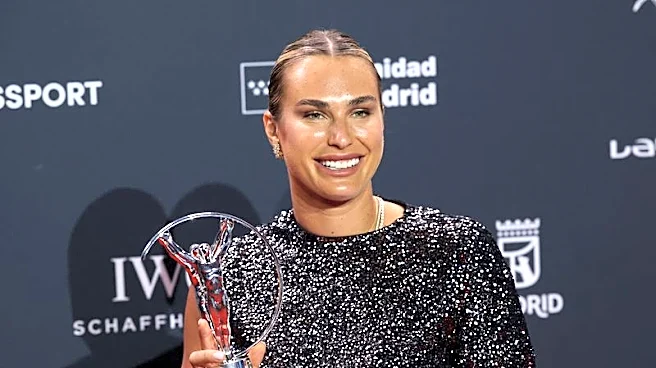
Top-ranked tennis player Aryna Sabalenka, along with other leading players like Jannik Sinner, has expressed dissatisfaction with the current revenue distribution from Grand Slam tournaments. The players have voiced their concerns over the French Open's
prize money, arguing that despite a 10% increase in overall prize money, their share of the tournament revenues has decreased. The players are advocating for a larger percentage of the revenues, better representation, health options, and pensions from the four Grand Slam tournaments. Sabalenka has suggested that a boycott might be necessary to achieve these demands, highlighting the players' essential role in the tournaments' success.
Why It's Important?
The potential boycott by top tennis players underscores a significant issue in professional sports regarding revenue distribution. If players proceed with a boycott, it could disrupt major tournaments, affecting sponsors, broadcasters, and fans. The players' demands for a fairer share of revenues and better benefits reflect broader labor issues in sports, where athletes seek more equitable treatment and compensation. This situation could lead to changes in how Grand Slam tournaments allocate their revenues, potentially setting a precedent for other sports and events.
What's Next?
As the French Open approaches, discussions between players and tournament organizers are likely to intensify. Players like Iga Swiatek have called for proper communication and negotiations with governing bodies to address these issues. The outcome of these discussions could influence whether a boycott occurs and how future tournaments are structured in terms of revenue sharing and player benefits. The response from tournament organizers and the broader tennis community will be crucial in determining the next steps.