




What's Happening?
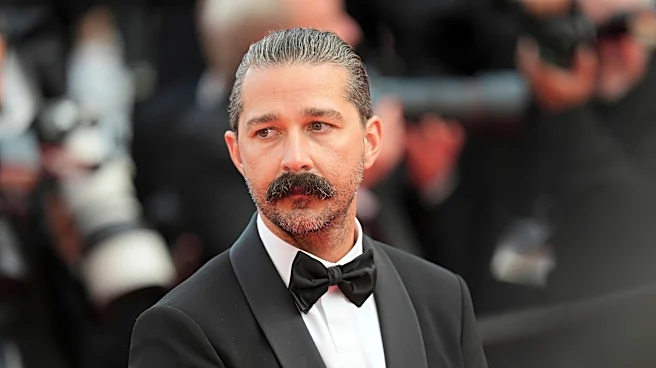
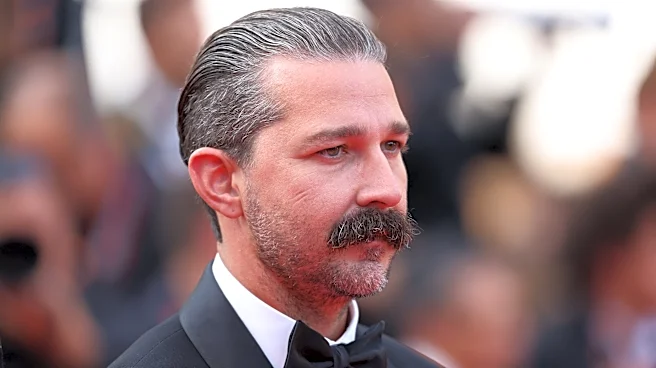
Actor Shia LaBeouf has pleaded guilty to three counts of simple battery following an incident at a Mardi Gras celebration earlier this year. During the event, LaBeouf was accused of punching a person multiple times and using homophobic slurs. Despite
video evidence of the altercation, the prosecution opted for lesser charges, leading to LaBeouf's guilty plea. Orleans Parish Judge Juana Marine-Lombard sentenced him to a six-month suspended sentence and two years of probation. Additionally, LaBeouf is required to stay away from the victims and the bar where the incident occurred. His attorney stated that LaBeouf wanted to take responsibility for his actions, describing the event as a 'minor Mardi Gras bar tussle.'
Why It's Important?
This case highlights ongoing discussions about accountability and the legal system's handling of public figures. LaBeouf's sentence, which includes probation and a suspended sentence, raises questions about the consistency of legal consequences for similar offenses, especially when video evidence is involved. The decision not to pursue hate crime charges, despite the use of slurs, may also spark debate about how bias-motivated incidents are prosecuted. This case could influence public perception of celebrity accountability and the justice system's role in addressing bias-related offenses.
What's Next?
LaBeouf's legal obligations include adhering to the terms of his probation and avoiding contact with the victims and the bar involved. The actor's future actions and compliance with these terms will be closely monitored. Additionally, this case may prompt discussions among legal experts and advocacy groups about the criteria for charging hate crimes and the implications of celebrity status in legal proceedings.