






What's Happening?
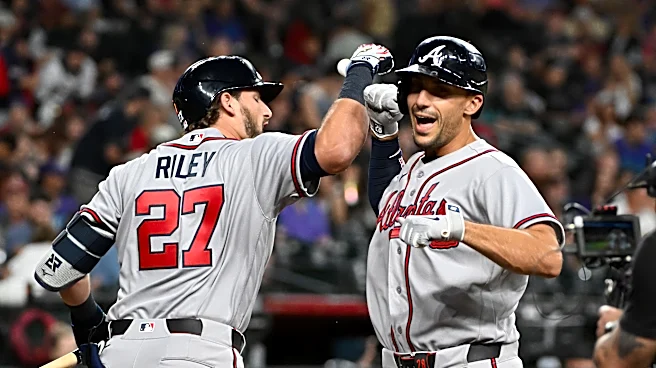
The NFL has officially denied the Chicago Bears' appeal for compensatory draft picks following the departure of their assistant general manager, Ian Cunningham, to the Atlanta Falcons. The league's decision was based on the designation of Matt Ryan as the Falcons'
President of Football, which means he is considered the primary football executive, not Cunningham. The Bears had hoped to receive compensatory picks under the NFL's diversity initiative, which awards picks when a team loses a minority executive to a primary football executive role elsewhere. However, the NFL's rules specify that the compensatory picks are only awarded if the departing executive is the primary football executive, a role the league determined Cunningham did not fill.
Why It's Important?
This decision highlights ongoing challenges in the NFL's efforts to promote diversity within its executive ranks. The compensatory pick system is designed to incentivize teams to develop and promote minority candidates into top executive roles. The Bears' situation underscores the complexities and potential shortcomings of the current system, as it relies heavily on the specific titles and roles defined by each team. The denial of compensatory picks could discourage teams from investing in the development of minority executives if the criteria for receiving such incentives are perceived as too rigid or unfair.
What's Next?
The Bears and other NFL teams may push for a reevaluation of the compensatory pick rules to better reflect the spirit of the diversity initiative. This could involve lobbying for changes that consider the actual responsibilities and influence of executives, rather than strictly adhering to titles. The NFL may face increased pressure to address these concerns to ensure that its diversity policies effectively promote inclusivity and fairness across the league.
Beyond the Headlines
The broader implications of this decision could affect the NFL's reputation regarding diversity and inclusion. If the league is seen as not fully supporting its diversity initiatives, it may face criticism from advocacy groups and stakeholders. Additionally, this situation could spark a wider conversation about how professional sports leagues can more effectively implement diversity policies that align with their stated goals.